
This article may contain affiliate links. Learn more on our Partner Program page.
After two generations using aluminum, Apple could return to titanium for its anniversary model – and manufacture the frame differently this time. A leaker describes a process that Apple has previously used for the Apple Watch and certain components of the iPhone Air and iPhone Duo. He is so confident in his claim that he is asking his followers to save the post for the official unveiling next year.
Chinese leaker Fixed Focus Digital has followed up with a new post on Weibo: Apple is reportedly manufacturing parts of the iPhone 20 Pro's midframe using laser-based 3D printing with titanium powder. This process is said to significantly improve the frame's durability. Back in mid-November, the same leaker claimed that the Pro models would once again feature a titanium frame for the anniversary, which was supposedly being used in prototypes in an early development phase. Both of these claims fit with the overall picture of the iPhone 20 so far, which depicts a redesign with curved glass all around and barely visible display bezels.
Key Takeaways
- The iPhone 20 Pro is expected to have a titanium frame again, after the iPhone 17 Pro and iPhone 18 Pro used aluminum.
- Parts of the midframe will be laser-printed from titanium powder, which should improve durability.
- Apple already prints titanium for the Apple Watch cases, the USB-C casing in the iPhone Air, and the hinge cover in the iPhone Duo.
- Both pieces of information regarding Titan come from the same leaker; independent confirmation is lacking.
What the leaker describes
According to the article, Apple will use titanium extensively in the iPhone 20 Pro. Specifically, this refers to parts of the midframe, the metal band that sits between the curved glass panels on the front and back of the anniversary model. These parts will reportedly be manufactured layer by layer from titanium powder using a laser.
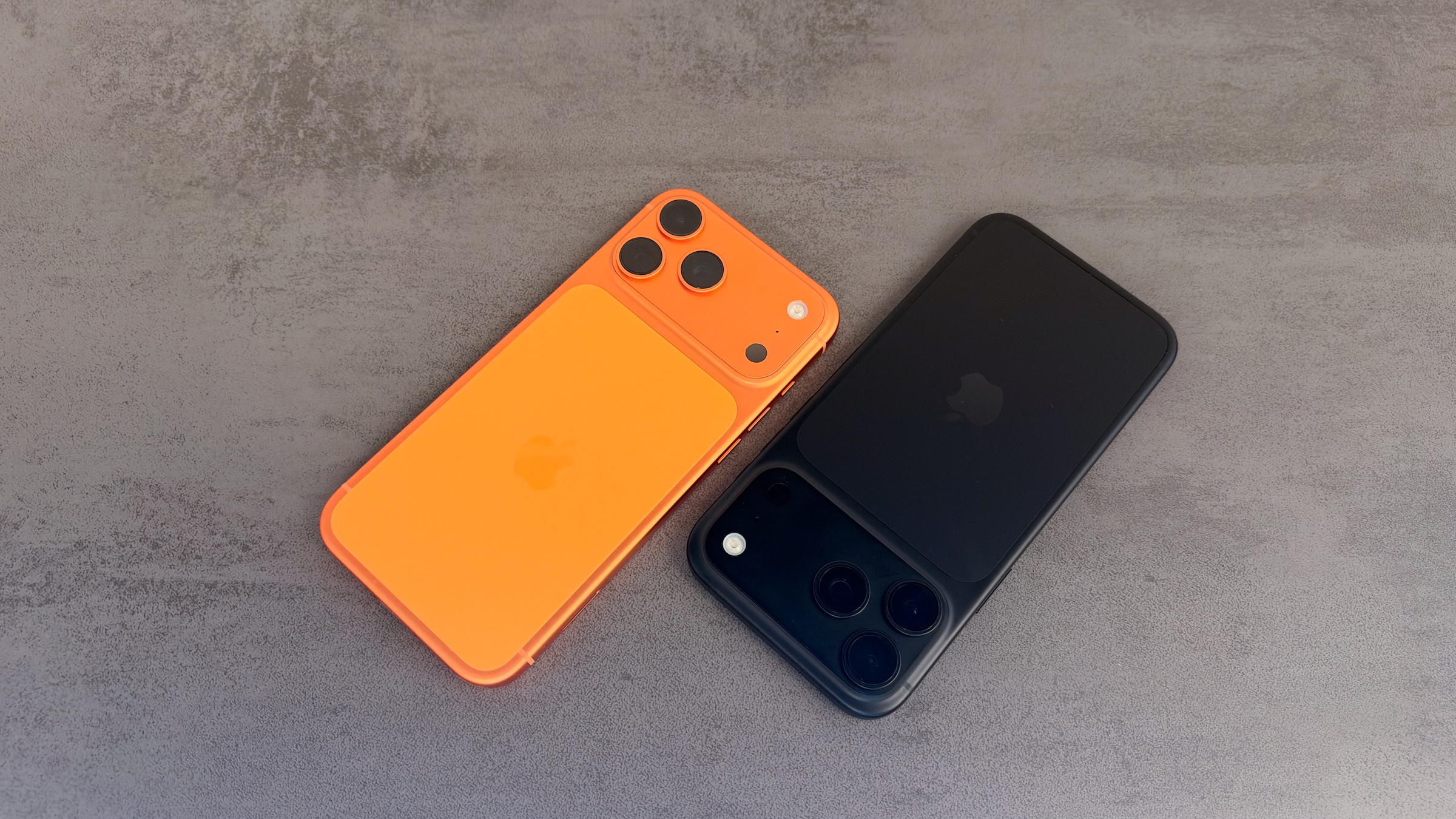
The leaker cites significantly greater durability as a key advantage. The post doesn't include figures on weight, wall thickness, or the proportion of printed parts in the overall frame. This aligns with an earlier illustration from the same leaker this month: it showed glass, similar to the iPhone Air, with a more pronounced curve on all four sides and a narrow, polished metal frame in between.
How Apple already prints titanium
The process itself is not just theoretical at Apple. Since 2025, all Apple Watch Ultra 3 cases and the titanium cases of the Apple Watch Series 11 have been 3D printed, as Apple describes in its Newsroom section on printed titanium cases; now, the cases of the Apple Watch Ultra 4 are also 3D printed. Apple uses the same recycled titanium powder for the USB-C port housing in the iPhone Air, and the hinge cover of the iPhone Duo is printed. The technology is therefore already present in the iPhone, albeit only in small components.
The key data from Apple's own presentation shows what the company is getting into. The powder has a diameter of approximately 50 micrometers, with each layer being 60 micrometers thick. A printing process takes around 20 hours and comprises more than 900 layers, with six lasers per machine working simultaneously. According to Apple, the casings require only half the raw material of their predecessors, and the company estimates the savings at more than 400 tons of raw titanium by 2025.
Apple cites not only the material itself but also greater design freedom as an advantage: textures can be printed in areas inaccessible during forging. This freedom is particularly relevant for a frame that needs to fit snugly against curved glass. The process Apple implemented in the watch is also demonstrated by the journey from powder to finished titanium component.
From titanium to aluminum and back
The Pro series has undergone two frame redesigns in quick succession. With the iPhone 17 Pro, Apple replaced titanium with a unibody aluminum casing, to which a vapor chamber is laser-welded. Apple emphasized aluminum's thermal conductivity and the best thermal properties ever achieved in an iPhone. Titanium remained in the iPhone Air and was added with the iPhone Duo, whose casing is also made of titanium.
| Model | Frame | Status |
|---|---|---|
| iPhone 15 Pro | Titanium | Confirmed by Apple |
| iPhone 16 Pro | Titanium | Confirmed by Apple |
| iPhone 17 Pro | Aluminum (Unibody) | Confirmed by Apple |
| iPhone 18 Pro | Aluminum (Unibody) | Confirmed by Apple |
| iPhone 20 Pro | Titanium, partly 3D printed | rumor |
Heat is precisely the point on which the same leaker argued differently in the spring. In May, Fixed Focus Digital considered aluminum the only viable solution for the Pro models due to the heat generated by local AI functions, thus contradicting reports of an imminent return to titanium. The iPhone 18 Pro did indeed stick with aluminum. The new posts refer to the generation that followed.
How reliable is the information?
Fixed Focus Digital is a source with a mixed track record. Of the 57 reports it has recorded from the leaker, the tracker iDevice has so far verified 19: ten were fully confirmed, five partially confirmed, and four proved to be false. It provides neither a document nor a source in the supply chain for the titanium frame and the 3D printing.
Furthermore, both Titan articles from this month come from the same source. The second elaborates on the first but doesn't independently confirm it. The request to take a screenshot of the article demonstrates confidence but isn't proof.
Why the print reveals more than the material
I consider the reference to the manufacturing process to be the more revealing part of the report. That Apple would return to a higher-quality material for an anniversary model is obvious. A printed frame, however, would represent a genuine leap forward in manufacturing: Apple would be transferring a process currently used for watch cases and small components to the iPhone, Apple's best-selling product.
Ironically, heat dissipation is a major argument against the switch. Titanium conducts heat significantly less efficiently than aluminum, and Apple specifically emphasized aluminum's superior thermal conductivity in the iPhone 17 Pro. Therefore, I expect that if the iPhone 20 Pro features a titanium frame, it will be combined with a design that dissipates heat differently than through the frame itself. As things stand, anyone buying an iPhone 18 Pro now is primarily missing out on a material that feels different in the hand, rather than a demonstrable improvement in everyday use.
Is the frame of an iPhone important enough to you that titanium instead of aluminum would be the deciding factor for the anniversary model – or are battery life and heat management more important to you? Let us know in the comments what material your current iPhone is made of and whether you want it back.