
This article may contain affiliate links. Learn more on our Partner Program page.
Apple's first glasses won't have their own apps. Instead, Siri AI will control apps on the iPhone – from making restaurant reservations to booking ride-hailing services. The hardware is considered largely complete, but the software is still experiencing difficulties, and this is precisely where the bigger problem lies for German-speaking markets.
The key specifications of Apple Glasses from previous reports have remained consistent for months: no display, cameras for AI analysis, unveiling at WWDC 2027, and a sales launch by the end of the year. What's new is how Apple plans to equip the glasses with functionality. According to the latest edition of Mark Gurman's Power On newsletter at Bloomberg, Apple is relying on the Siri AI integration of apps, which the company only opened up to developers just under two weeks ago.
This means the glasses are more dependent than previously known on software that doesn't even exist on the iPhone in Germany and Austria yet.
Key Takeaways
- Apps should not run on the glasses, but should remain on the paired iPhone and be accessible via Siri AI.
- The basis is the Siri AI interface for developers, which Apple launched on November 3rd with the betas of iOS 27.3.
- The glasses are designed to work only with current iPhones; Android devices are excluded.
- The hardware is considered largely complete, but the software is behind schedule, according to the report.
- Siri AI does not yet speak German and is not available on the iPhone in the EU.
Apps remain on the iPhone
According to the report, third-party apps will not run directly on the glasses in the first generation. They will remain on the paired iPhone, and both devices will work together when a request is made. Developers will not need to build a separate glasses app; instead, they can enable their existing iPhone app for the revamped Siri AI assistant.
Apple has already laid the groundwork for this. Since November 3rd, all developers have been able to connect their apps to Siri AI via App Intents in the betas of iOS 27.3, iPadOS 27.3, macOS 27.3, and visionOS 27.3. Apple cites checking a delivery, a reservation, or an order as examples. The new feature is expected to reach customers in a few months, and submissions to the App Store will be possible starting in the spring.
Internally, Apple is reportedly considering restaurant reservations via OpenTable, rides with Uber or Lyft, coffee orders at Starbucks, purchases on Amazon, and movie tickets. According to the report, Apple sees this as its advantage over Meta, the market leader with its Ray-Ban glasses: the large number of developers in the App Store whose apps would be usable on the glasses via Siri AI.
What the glasses themselves should be able to do
Apple relies on its own apps for basic functions. At the heart of these is visual intelligence, which uses the cameras to capture what is in front of the wearer. The report cites examples such as recognizing buildings or suggesting a meal based on the ingredients in the refrigerator.
In addition, it will receive notifications from the iPhone, reply to messages, offer real-time translations, calendar entries, reminders, music control, and smart home operation. The glasses themselves will run a streamlined version of visionOS 28, the same operating system used in the Vision Pro.
The glasses won't be completely standalone, however. They will support Wi-Fi so that audio can continue playing even when the iPhone is out of range. According to the report, they can only be paired with current iPhone models; Android support is not planned. The report doesn't specify which models exactly.
Slimmer than Meta's Ray-Ban
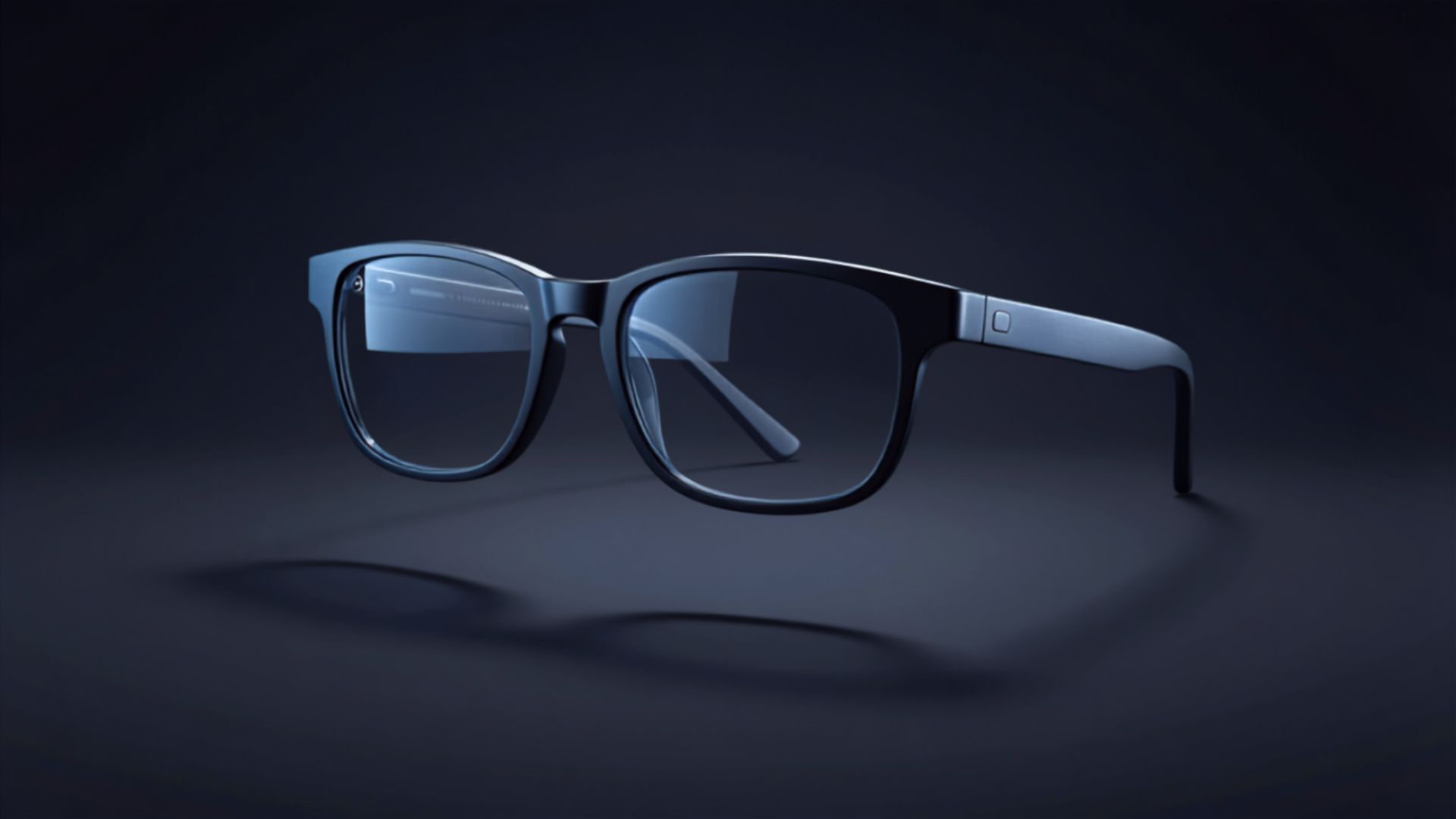
The design retains its familiar basic features. Internal prototypes are said to be slightly slimmer than Meta's second-generation Ray-Ban glasses. At least on some test devices, the cameras are housed in oval openings that are flush with the frame, rather than protruding.
A light on the front indicates when the glasses are in use or charging. Apple is also reportedly experimenting with additional front-facing elements designed to enhance data privacy – an issue long considered the biggest hurdle before launch. Apple is placing particular emphasis on sound quality, which its engineers, according to reports, describe as industry-leading.
The schedule is set, but not yet finalized
Internally, Apple is sticking to two deadlines: unveiling at WWDC 2027, and delivery before the end of the year. However, Gurman himself qualifies this:
Apple had planned to unveil its smart glasses at WWDC 2027 and ship them before the end of the year. However, the software is lagging behind, making both goals uncertain, even though they still stand today. Most of the hardware is largely complete.
The timeline has already been pushed back several times. In the spring, a launch at the end of 2026 or the beginning of 2027 was still being considered, then at the end of May the market launch was pushed back to the end of 2027, and in July WWDC 2027 was added as the launch date. Gurman is often right about Apple's product plans, but his deadlines for the glasses project have been pushed back repeatedly. The fact that the report cites software as the bottleneck, rather than hardware, fits with this pattern.
The language issue carries more weight in this country
If Siri AI is supposed to be the main reason for buying the glasses, then German-speaking countries are doubly disadvantaged. Apple currently offers Siri AI in English, French, Japanese, Korean, Portuguese, and Spanish; the next languages Apple lists are Traditional Chinese, Norwegian, Turkish, and Vietnamese. German is still missing. Furthermore, Siri AI is not available on iPhone, iPad, and Apple Watch in the EU – and the apps that are supposed to control the glasses are currently only available on the iPhone.
Switzerland is not subject to this restriction; Siri AI is available on iPhones there. This doesn't change the language issue: the assistant doesn't work in German there either, but it does work in French.
I consider the hardware to be the lesser risk. I expect the launch of the glasses in Germany and Austria to hinge on two issues unrelated to the glasses themselves: whether Siri AI will speak German by the end of 2027 and whether Apple reaches an agreement with the EU Commission on a solution for the iPhone. If either of these remains unresolved, the glasses will lack precisely the feature Apple intends to use to sell them at launch in these countries.
What would you use glasses without a display for, glasses that primarily work via Siri AI – and would they still be interesting to you if the assistant only spoke English at launch? Tell us in the comments which app you would control first using your voice on the glasses.