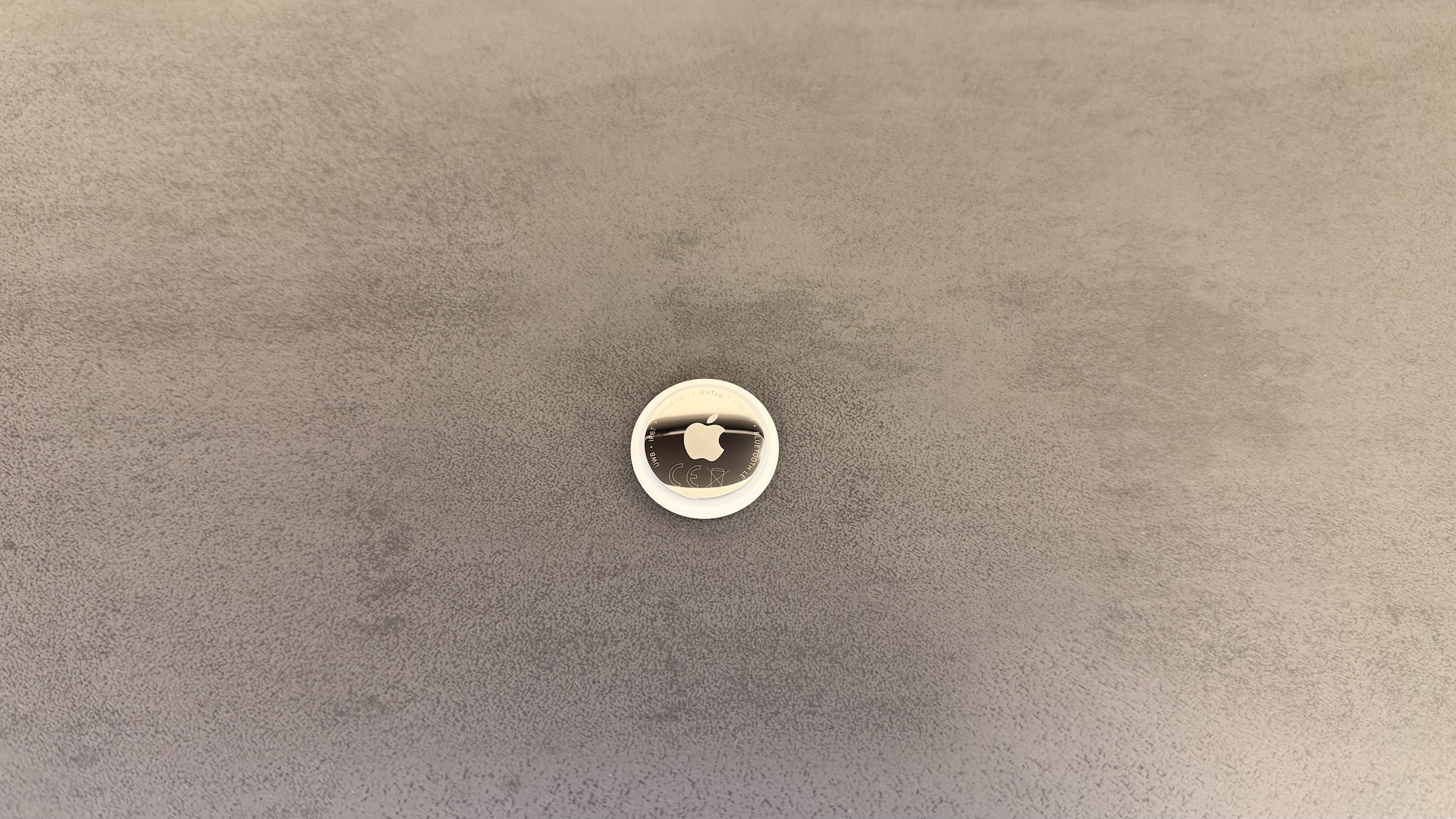
An AirTag-sized badge that uses a camera to record what its wearer sees: Apple was working on this device, but the project is now on hold. A prototype exists, but there is no longer a release date.
For years, Apple has been pursuing a whole family of devices that wear body cameras and transmit their images to an assistant. Besides the cameras-equipped glasses and AirPods, hinted at by a code discovery in iOS 27, this included a small camera pendant. According to a Bloomberg report, Apple has paused development of this device. The same report also states that a fitness tracker without a display is currently under review elsewhere.
Key Facts at a Glance
- Apple has paused the development of an AI-powered pendant with a camera.
- The prototype was the size of an AirTag: a thin, round disc made of aluminum and glass with a button on the side.
- It should be worn on clothing or around the neck.
- Previously, a presentation in 2027 was mentioned – this date has now become unlikely.
- Glasses, AirPods with cameras and a fitness tracker are still in development.
What the prototype looked like
The description is unusually specific for a device that was never shown. The prototype was the size of an AirTag and had the shape of a thin, round disc. It was made of aluminum and glass, and featured a physical button on the side.
Such a device could be attached to clothing or a chain around the neck. The camera would transmit information about the surroundings to the assistant, including visual intelligence functions: questions about the user's location or what they are looking at.
Why the concept is difficult
The market has already rejected this type of device once before. The Humane AI Pin fell far short of expectations and failed both technically and in everyday use – a point that played a role early on in our analysis of Apple's wearable strategy.
In addition, there's a problem that Apple itself can't solve: A constantly running camera on the chest is harder for those around you to judge than glasses or earbuds. Someone standing in front of such a device can't tell if it's recording.
What this move reveals about Apple's order
It's striking that the same report describes two opposing movements. A camera wearable is being postponed, while a device without a camera or screen is being promoted. Both are prototypes, and both are uncommitted.
We therefore expect Apple not to abandon body cameras altogether, but rather to introduce them first where they can be integrated into a familiar product. With AirPods and glasses, the camera is located where people already wear technology. A clip-on camera, on the other hand, would require a new everyday gesture.
| Plan | Status | Time |
|---|---|---|
| AirPods with cameras | Work in progress, code found in iOS 27 | earliest 2027 |
| Smart glasses | In development, without health features at launch | – |
| Fitness tracker without a display | Prototypes, technology testing | earliest 2028 |
| AI trailer with camera | paused | open |
What this means for the German-speaking region
The delay changes little here, as the device would still rely on a feature that isn't yet available everywhere in this country. Siri AI won't run on iPhones or iPads in the EU at launch, with the exception of macOS and visionOS. This restriction doesn't apply in Switzerland.
Then there's the language issue: The assistant launches in English, with five more languages announced for October, but German isn't among them. A device whose sole purpose is to answer questions about its surroundings would be difficult to sell without German voice output. Until then, the visual intelligence on the iPhone covers this use case, only requiring you to reach into your pocket.
Apple's wearable roadmap is being reorganized
Within just a few hours, the picture of upcoming Apple wearables has shifted: one device has dropped from the list, while another has been added. What remains is a series of projects without firm release dates, none of which will hit the market before 2027.
Would you have attached a camera pendant to your shirt, or do you think a camera in your ear or on your nose is a better place for it? Let us know your prediction in the comments.