This article may contain affiliate links. Learn more on our Partner Program page.
The smartphone market will continue to shrink in 2027, but the iPhone is still expected to grow. Morgan Stanley forecasts around 270 million iPhones shipped and a market share of 26 percent. However, the same study shows a significant difference in iPhone Duo sales between China and Germany.
The forecast comes from a Morgan Stanley report dated November 16, which AppleInsider analyzed. Some of the figures are derived from the bank's AlphaWise survey of smartphone users.
This picture aligns with what market researchers are already predicting for this year. In the third quarter, the iPhone achieved a record market share, while the smartphone market as a whole contracted by 20 percent. Morgan Stanley is now projecting this trend to continue into next year.
Key Takeaways
- Morgan Stanley expects around 270 million iPhones to be shipped in 2027, 7 percent more than in 2026.
- The global smartphone market is expected to shrink by 5 percent to 1.04 billion devices in 2027, following an estimated decline of 13.8 percent this year.
- Apple's share of shipments would thus increase from around 23 to 26 percent.
- Part of the growth could come from purchases that are being postponed from the end of 2026 into the new year.
- In China, 34 percent of non-iPhone users are interested in the iPhone Duo, compared to 7 percent in Germany.
Growth against the market
Morgan Stanley had originally projected market growth of 3.6 percent for 2027. Now the bank anticipates a decline of 5 percent, following an already sharp drop this year. The iPhone is expected to buck this trend.
| Key figure | 2026 | 2027 |
|---|---|---|
| Global Smartphone Market | approximately -13.8 percent | -5 percent, approximately 1.04 billion devices |
| iPhone deliveries | – | approximately 270 million, +7 percent |
| Apple's share of shipments | approximately 23 percent | approximately 26 percent |
Based on the two forecast figures for 2027, this results in a base of just over 250 million iPhones for this year. This represents an increase of almost 18 million devices in a market that is expected to shrink by more than 50 million devices during the same period.
Part of the plus is shifting
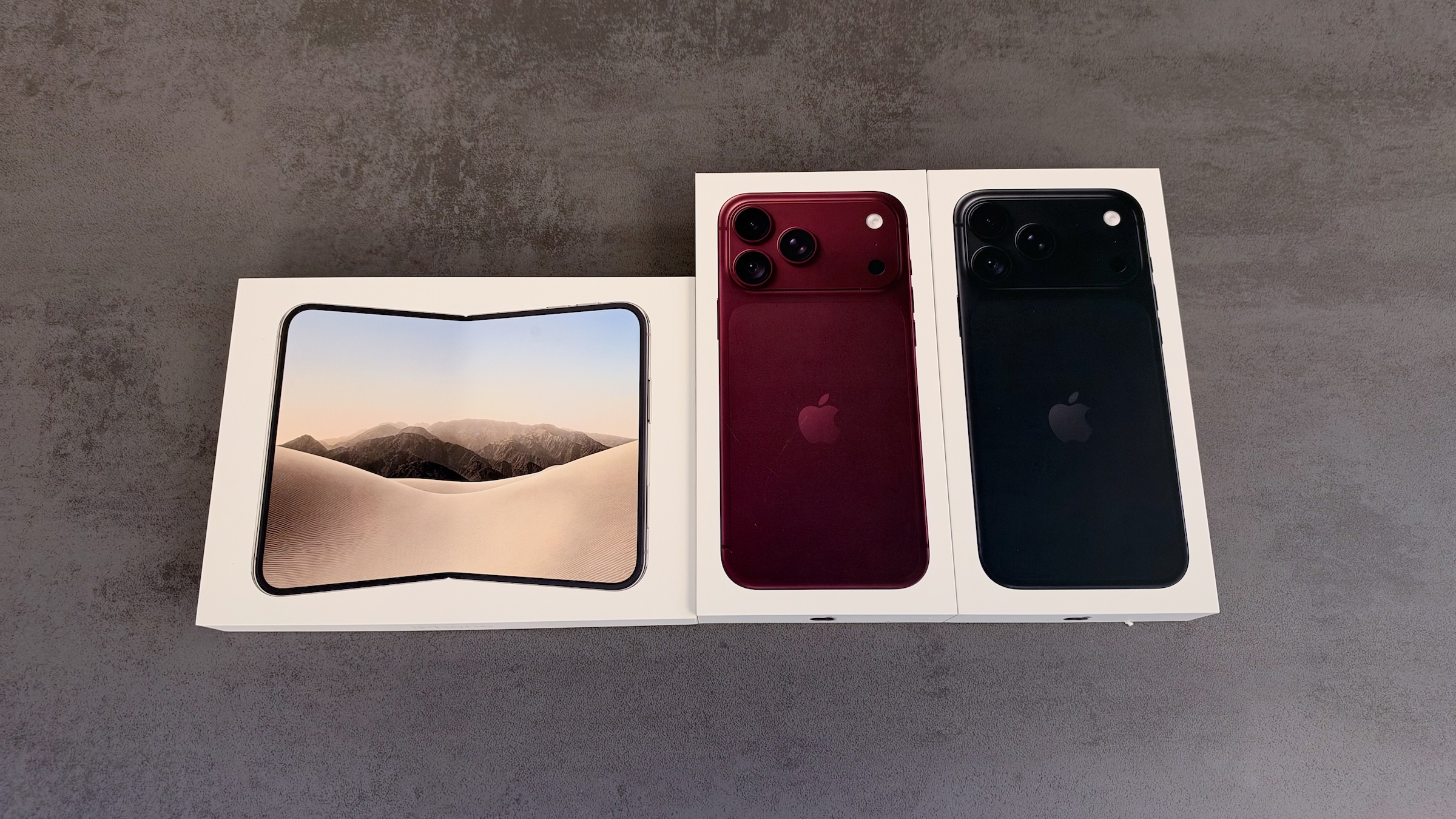
Only the iPhone 18 Pro, iPhone 18 Pro Max, and iPhone Duo were released in the fall. Morgan Stanley expects that some customers are waiting for the iPhone 18 and a new iPhone Air, which are expected to arrive in spring 2027, rather than buying an older model now.
This means that purchases scheduled for the end of 2026 will be shifted into the new year. Part of the growth would then be a matter of timing rather than stronger demand. The bank does not specify how large this share of the 7 percent figure is.
Morgan Stanley attributes the weaker overall market to rising component costs, particularly for RAM and flash memory, and a lack of incentives for purchasing a new device. The number of active iPhones is expected to increase from more than 1.6 billion to more than 1.7 billion by the end of 2027.
Loyal users, longer cycles
The survey ran from September 22nd to October 13th among approximately 7,000 adults in the US, China, the UK, and Germany. 41 percent of all smartphone owners are very likely to buy a new device in the next twelve months, two percentage points less than last year. Among iPhone owners, the figure is around 37 percent, largely unchanged from last year.
The average holding period continues to increase. Morgan Stanley expects an average replacement cycle of 4.4 years in 2027, longer than ever before. For Apple, therefore, the key factor is who stays and who switches devices.
- Customer loyalty among iPhone users increases by three percentage points to a record high of 93 percent.
- The net exchange rate improves to 12 percent.
- Besides Apple, only Huawei among the major manufacturers has a positive and increasing net churn rate; Samsung and Google are roughly neutral.
- Xiaomi, Motorola, Honor, Oppo and Vivo are losing users overall.
Germany lags far behind in the iPhone Duo market
For German-speaking countries, the most interesting figure lies in the country breakdown for the iPhone Duo. Overall, 22 percent of non-iPhone users have expressed interest in switching to the foldable model. This figure represents a wide variety of markets.
| Country | Interest in switching to the iPhone Duo |
|---|---|
| China | 34 percent |
| USA | 17 percent |
| UK | 9 percent |
| Germany | 7 percent |
Germany is thus the country with the least interest among the four surveyed. In China, the figure is almost five times higher.
The survey was conducted before the sales launch on October 23rd and measures interest, not purchases. Among iPhone owners with no interest in the iPhone Duo, 28 percent each cited the price and the foldable design as reasons, while 26 percent had concerns about its durability.
Apple Intelligence is losing its appeal as a reason to buy Apple Intelligence
AI plays a less significant role as a reason for buying a new iPhone than last year. Access to generative AI fell from fourth to seventh place among the reasons for upgrading, while battery life and the desire for an upgrade gained in importance.
Willingness to pay is also declining. Surveyed iPhone users would be willing to pay an average of $6.47 per month for unlimited access to Apple Intelligence, 18 percent less than last year. Only 58 percent would pay anything at all, compared to 68 percent in 2025. Morgan Stanley sees AI more as a factor in brand choice than in the timing of purchase.
What the numbers reveal about Apple's growth
I believe the forecast is well-founded because it's based on the strongest metric in the survey: 93 percent customer loyalty. A market with replacement cycles of over four years rewards manufacturers whose customers don't switch to them for their next purchase, and that's precisely where Apple's advantage lies.
The survey on the iPhone Duo suggests where potential switchers might be coming from. A large portion of the interest in switching to the foldable model originates in China. I expect the iPhone Duo will hardly attract any Android customers in Germany; the 7 percent figure is a clear indication of this.
For buyers in this country, the forecast doesn't change anything directly. Those waiting for the iPhone 18 or the new iPhone Air will be waiting until spring anyway, and Morgan Stanley is factoring precisely this waiting period into its 2027 growth projections.
As an Android user, would you switch to the iPhone Duo, or do you see the foldable iPhone as a device only for people already immersed in the Apple ecosystem? Let us know in the comments what would make you switch or what's holding you back.