When the iPhone 13 was unveiled in September, teardowns quickly revealed a major change in the repair process. Now iFixit has analyzed and explained the whole thing in more detail, calling it a "dark day for DIYers and professionals."
Third-party screen repairs on the iPhone 13 have become more difficult due to a tiny chip that connects the device to the screen, and there are fears that the repair industry could be permanently damaged. As has already been revealed, screen repairs on the iPhone 13 and iPhone 13 Pro result in a loss of Face ID functionality. In a new blog post iFixit has taken a closer look at the apparent culprit for this change. It's a microcontroller chip the size of a pea, embedded in the lower part of the screen. The chip pairs—or "serializes"—an iPhone with its display, resulting in Face ID being disabled when a screen is installed by a third-party vendor. Apple Authorized Service Providers can circumvent this serialization by using proprietary Apple software to log a repair and sync the new display's serial number with the microcontroller.
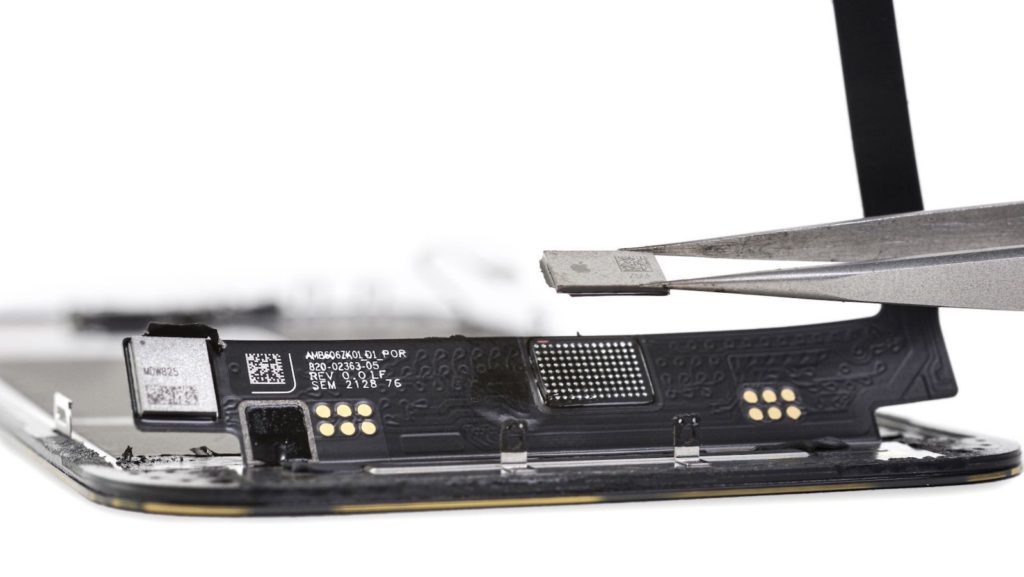
iPhone 13 display repair: Complicated workaround can help
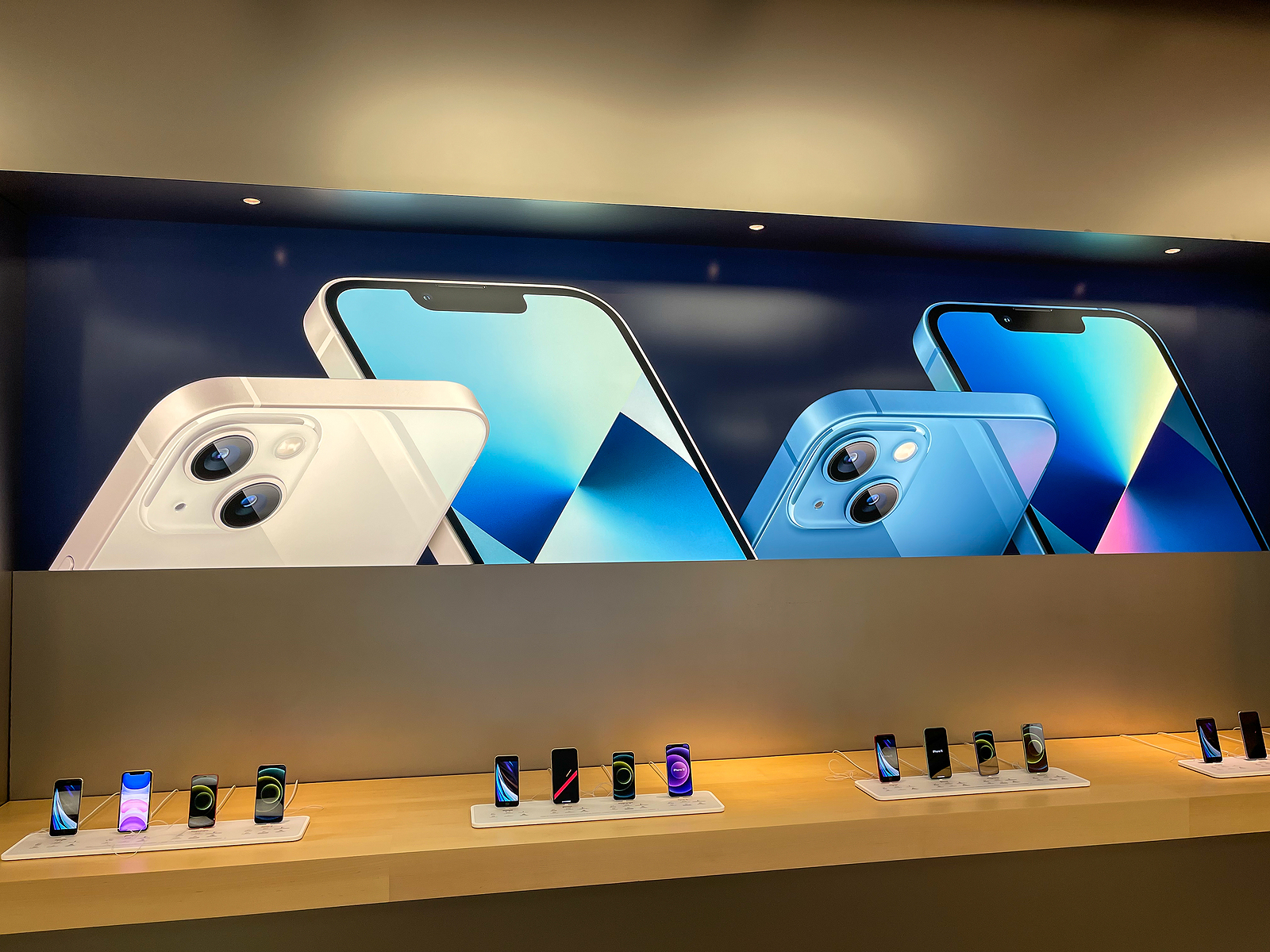
As iFixit notes, this allows Apple to approve or deny repairs. There is a workaround that allows unauthorized repairers to replace the screen, but it's not easy. This requires transplanting a soldered chip from an original screen to a replacement screen. According to iFixit, there is a sense of "trepidation" among freelance technicians about this change. The only options they seem to have are to purchase new devices to work around it, join Apple's authorized repair network, or quit altogether. This is because screen repair is one of the foundations of the smartphone repair industry. One repair instructor told iFixit that the industry "was built on iPhone screens." (Photo by ms_pics_and_more / Bigstockphoto)