

This article may contain affiliate links. Learn more on our Partner Program page.
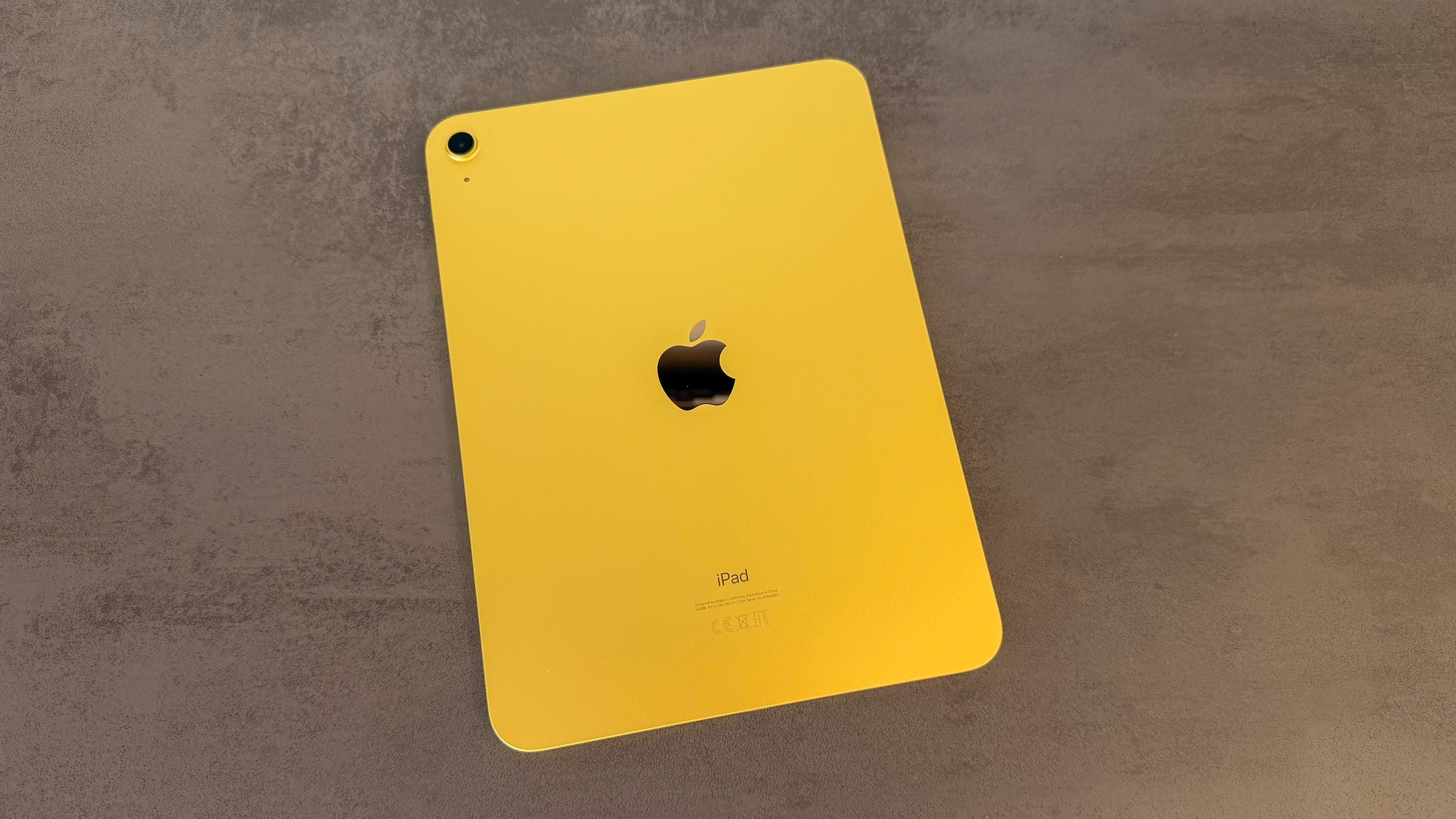
The tablet market is sliding to its lowest level in almost three years, and Apple is losing out faster than the market as a whole. Around 11.6 million iPads were sold in the third quarter, a good quarter fewer than a year earlier. It will be interesting to look at Apple's own revenue figures for the same period.
The figures come from the latest survey by Omdia. The market research company counts shipments to retailers, not sales to end customers. Worldwide, approximately 32.2 million tablets entered the market in the third quarter of 2026, compared to 41.8 million in the same period of the previous year, a decrease of 23 percent.
The turnaround was already apparent in the spring: In the second quarter, iPad shipments fell by 7.5 percent, and the overall market by almost 10 percent. Now, the decline at Apple has almost quadrupled.
Key Facts at a Glance
- According to Omdia, Apple shipped around 11.6 million iPads in the third quarter of 2026, 27.5 percent fewer than in the previous year.
- Market share falls from 38.2 to 36.0 percent, but Apple remains the clear market leader.
- The entire tablet market shrinks by 23 percent to 32.2 million devices.
- Lenovo is the only one of the five largest providers to grow, while Huawei is losing the most.
- Apple's iPad revenue fell by 10.4 percent during the same period, significantly less than the number of units sold.
Apple is losing more ground than the market
With 11.58 million devices, Apple remains by far the largest tablet provider. A year earlier, however, the figure was 15.98 million. Because the decline in iPad sales is greater than that of the overall market, Apple's market share also shrinks: from 38.2 to 36.0 percent.
| Manufacturer | Q3 2026 | Market share | Q3 2025 | Market share | Change |
|---|---|---|---|---|---|
| Apple | 11.58 million. | 36,0 % | 15.98 million. | 38,2 % | -27.5% |
| Samsung | 5.43 million. | 16,9 % | 6.93 million. | 16,6 % | -21.7% |
| Lenovo | 4.09 million. | 12,7 % | 3.66 million. | 8,7 % | +11,9 % |
| Xiaomi | 2.35 million. | 7,3 % | 2.62 million. | 6,3 % | -10.6 % |
| Huawei | 1.85 million. | 5,7 % | 3.24 million. | 7,8 % | -43.0% |
| rest | 6.90 million. | 21,4 % | 9.38 million. | 22,4 % | -26.5% |
| In total | 32.19 million. | 100 % | 41.81 million. | 100 % | -23.0% |
Samsung remains in second place, while Lenovo is the only major manufacturer to increase its unit sales and gain the largest market share. Huawei suffers the most significant decline, dropping 43 percent. Omdia lists Western Europe, along with the Middle East and China, among the regions with the steepest declines.
Supply bottlenecks instead of upgrade reasons
Omdia cites the tight supply of components as the main cause. This not only slows down production volumes but also the leaps between two generations. Omdia analyst Himani Mukka describes the consequence as follows:
Furthermore, ongoing supply bottlenecks limit manufacturers' ability to deliver significant improvements in features, meaning that new models stand out less convincingly from their predecessors.
Buyers are therefore likely to wait for larger price increases. Omdia considers a noticeable recovery in the tablet market unlikely before 2028, and expects the supply situation to worsen further in 2027.
Apple had already announced the shortages for the September quarter back in July, affecting iPhones, Macs, and iPads. Despite this, revenue for the fourth fiscal quarter still exceeded Apple's own forecast. The tightness of the memory market is illustrated by SK Hynix: the manufacturer reports that it is practically sold out of DRAM and HBM until 2029.
From growth to decline in three quarters
The speed with which the trend reversed is demonstrated by the performance over the past few quarters. At the end of 2025, Apple had still seen strong growth, and at the beginning of 2026, iPad sales continued to increase; since then, they have been declining.
| Quarter | iPad deliveries | Change year over year | Market share |
|---|---|---|---|
| Q4 2025 | 19.6 million. | +16,5 % | 44,9 % |
| Q1 2026 | 14.8 million. | +7,9 % | 40,1 % |
| Q2 2026 | 13.5 million. | -7.5 % | 37,8 % |
| Q3 2026 | 11.6 million. | -27.5% | 36,0 % |
The new iPad mini with A20 Pro is not yet included in these figures. It has only been available since November 6th and therefore falls within the current quarter.
Unit sales and revenue are diverging
Apple doesn't disclose unit sales figures, but it does release iPad revenue. Its fourth fiscal quarter ended on September 26th, covering almost the same period as Omdia's third calendar quarter. iPad revenue fell from $6.95 billion to $6.23 billion, a decrease of 10.4 percent.
Both figures measure different things: Omdia estimates shipments to retailers, while Apple records realized revenue. The difference is still remarkable. If the number of units shipped falls by more than a quarter, but revenue only by a tenth, then each shipped device theoretically generated significantly more revenue.
Part of this is due to Apple's iPad price increase in June; the September quarter is the first full quarter with the new prices. Nevertheless, I also see the difference as an indication that Apple is prioritizing the scarce components in more expensive models and releasing fewer devices, especially at the entry level. This hasn't yet been reflected in the product range: Apple continues to stock all the models from the iPad buying guide.
What's your take on the situation: Are you waiting to get a new iPad until the next generation makes a significant leap forward, or are you happy with what's currently available? Let us know in the comments which model you're eyeing or why you're waiting.