This article may contain affiliate links. Learn more on our Partner Program page.
The Canadian government has amended its law regarding government access to user data, but Apple says it's not enough. The company, along with Google and Meta, is urging the Senate to rewrite the bill. Critics will have their say there today, Monday.
Bill C-22, known in Canada as the Lawful Access Act, is intended to make it easier for police and intelligence agencies to access digital data during investigations. The House of Commons passed the bill on June 18, and it has since been before the Senate. According to a Bloomberg report, Apple, Google, and Meta are attempting to push through amendments there.
Apple welcomes the government's improvements but considers them insufficient. The company argues the law would still undermine its ability to protect user data. Back in May, Apple had already warned of a backdoor law in Canada, during the House of Commons deliberations.
Key Takeaways
- Apple, Google and Meta want to amend Bill C-22 in the Canadian Senate.
- The government has improved the draft, including by setting limits on decryption and clarifying systemic security gaps.
- Apple considers the changes insufficient.
- Representatives from Meta, Signal and Tailscale are testifying before the relevant Senate committee today, Monday.
What the law provides
At the heart of the dispute is the question of whether companies can be forced to restructure their services to allow authorities access to user data. The draft legislation allows the government to require providers to establish such access capabilities. Such an order requires the approval of the Canadian Intelligence Commissioner.
Certain providers would also be required to store metadata about their users' connections for up to six months. Message content, browser history, and social media activity are exempt from this requirement.
The changes are not enough for Apple
In the House of Commons, safeguard clauses were added. A company would only be required to decrypt encrypted data if it provided the encryption itself and already possessed the necessary decryption tools. Furthermore, MPs clarified that companies cannot be forced to build in systemic security vulnerabilities.
The government emphasizes that Bill C-22 does not permit blanket surveillance. Critics, however, believe too much remains unanswered. Apple and Google demanded in the spring that a court review such orders before a company is required to change its encryption. In May, Apple described the draft in a statement as follows:
At a time of rising and pervasive threats from malicious actors seeking access to user information, Bill C-22, as drafted, would undermine our ability to offer the powerful privacy and security features users expect from Apple.
Meta and Signal threaten consequences
Meta goes even further. Rachel Curran, Meta's Head of Public Policy for Canada, calls weakening encryption a red line. She told the National Post that Meta will neither break nor weaken the encryption of services like WhatsApp. Signal had already announced in May that it would prefer to leave the country.
The Senate will decide how to proceed. According to the Canadian Parliament's overview, after the second reading, the bill goes to the Senate Committee on National Security, Defence and Veterans Affairs. This is followed by the committee's report and a third reading. Only when both chambers have approved the bill can it become law.
Great Britain shows what's at stake
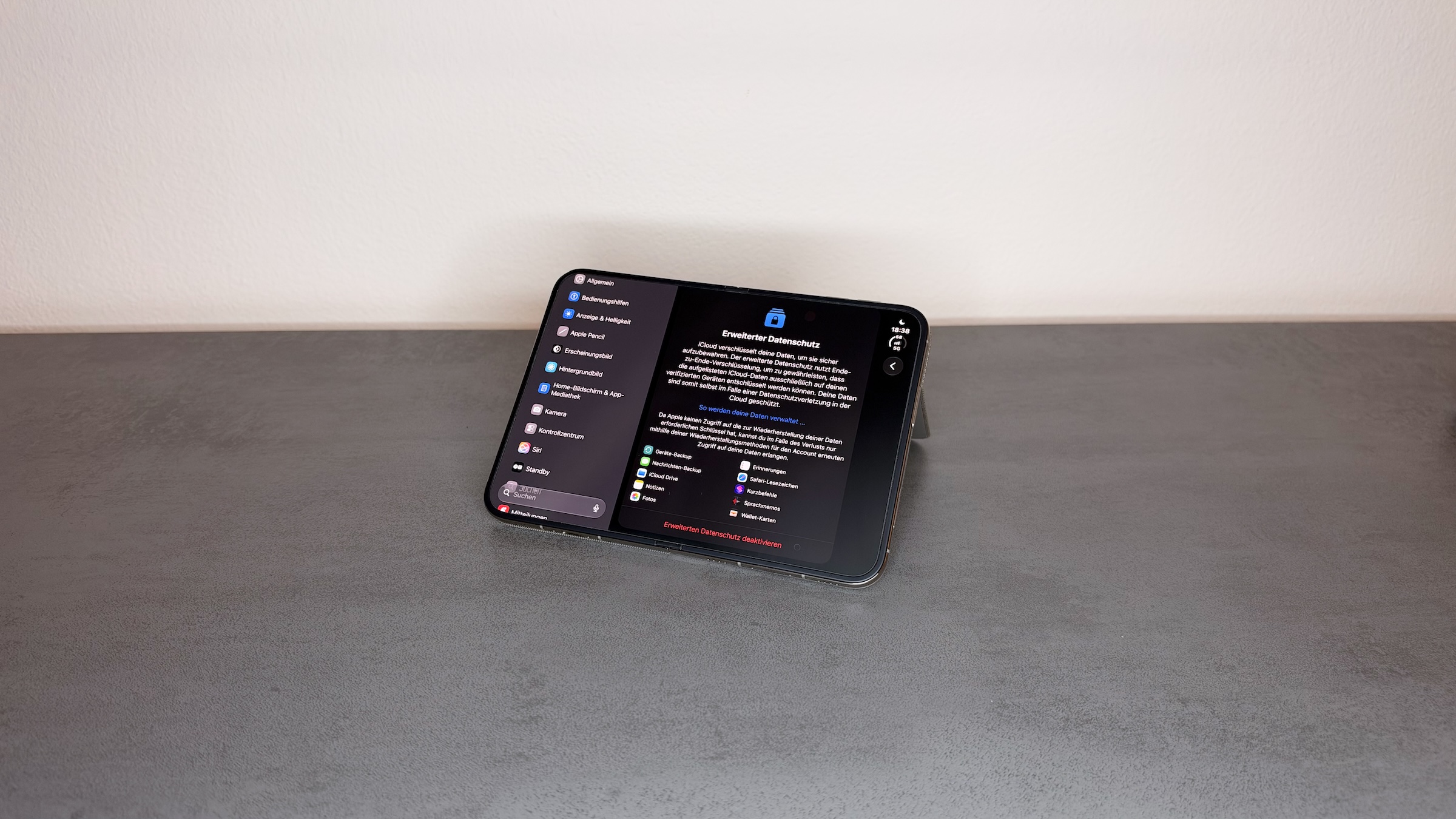
I consider this case more important than a Canadian law might initially suggest. The UK has shown how far Apple will go in such a dispute. There, in 2025, Apple chose to disable enhanced privacy features for iCloud rather than install a backdoor. Apple could face a similar dilemma in Canada if the law passes in its current form.
For users in Germany, Austria, and Switzerland, nothing changes as a result of Bill C-22. The law applies to providers in Canada, and the enhanced data protection for iCloud can still be enabled in these countries. Those who want to encrypt their iCloud data end-to-end only need to adjust a few settings.
Should Apple disable a feature like enhanced privacy in a country rather than build in a backdoor there – or would you prefer a compromise with judicial oversight? Let us know in the comments where you draw the line.