
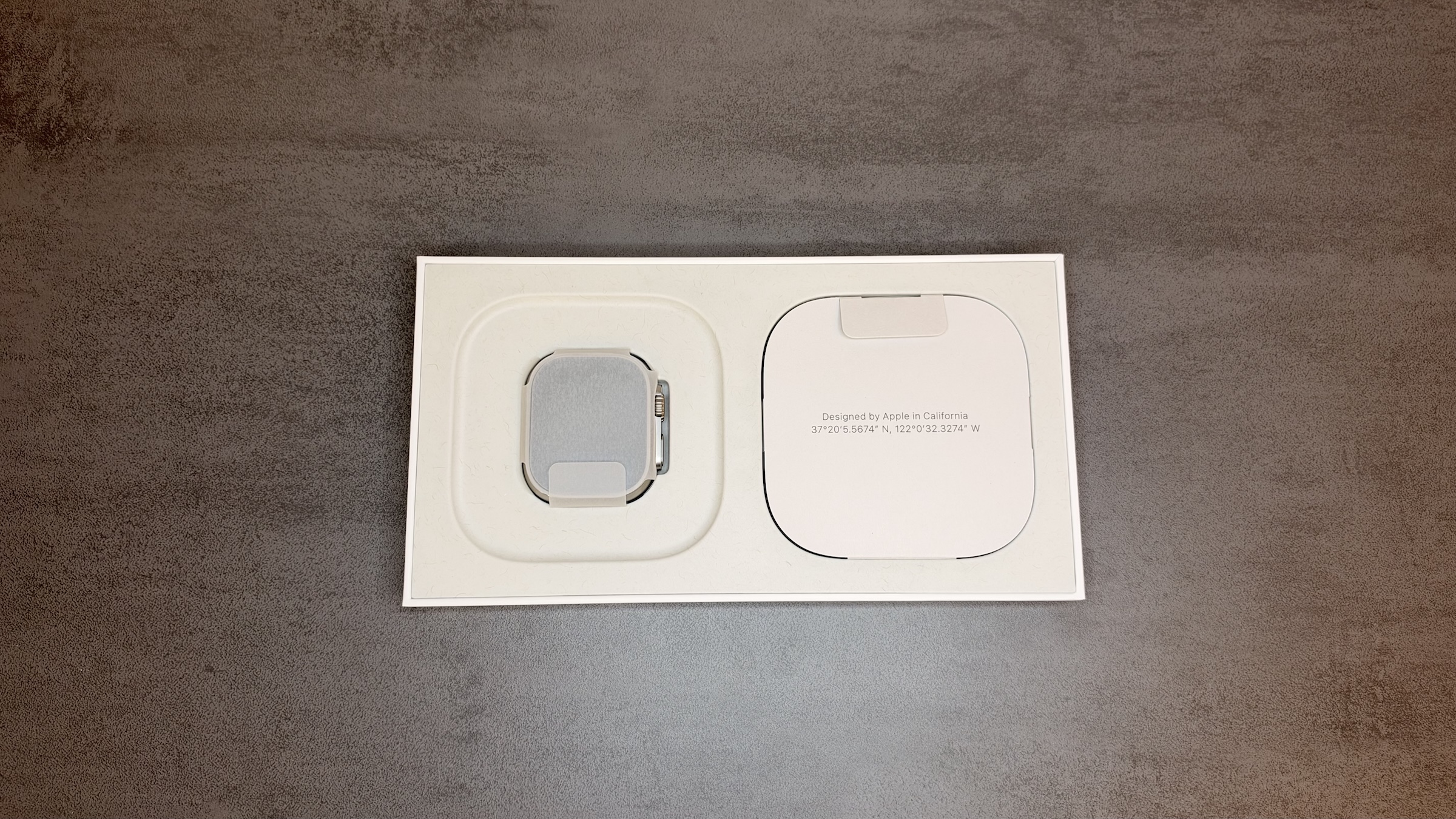
The new Apple Watch Series 12 is slightly easier to repair, while the Ultra 4 remains unchanged. Both models scored 4 out of 10 on iFixit's repairability scale. The core problem remains the same: anyone wanting to access the battery must first detach the glued-on display.
iFixit has disassembled the two new watches. In their teardown report of the Series 12 and Ultra 4, the repair experts describe two minor improvements to the Series 12 and an Ultra 4 that is largely identical to its predecessor internally.
Apple has made few changes to the casing of either model; the differences between the Series 12 and Series 11 lie in the sensors, chip, and battery. Internally, they are similar – with one exception: the battery of the Series 12.
Key Facts at a Glance
- iFixit gives the Apple Watch Series 12 and the Ultra 4 a repairability score of 4 out of 10.
- The Series 12 gains one point: its battery now sits on an adhesive strip with a pull tab, and the display is attached to a simpler connector.
- The Ultra 4 retains the same value as the three previous generations.
- In both watches, the path to the battery still leads through the glued-on display.
- Apple does not offer replacement parts, tools, or instructions for the Apple Watch in its self-repair program.
Batteries and ratings compared
Both watches have received slightly larger batteries than their predecessors. The percentage increases are based on the capacities specified by iFixit.
| Model | Battery | Predecessor | Growth | iFixit rating |
|---|---|---|---|---|
| Apple Watch Ultra 4 | 2,444 Wh | 2,313 Wh (Ultra 3) | approximately 5.7 percent | 4 out of 10, unchanged |
| Apple Watch Series 12 | 1,461 Wh | 1,403 Wh (Series 11, 46 mm) | approximately 4.1 percent | 4 out of 10, one point more |
Both models use the new S11 chip, which, according to iFixit, is based on the CPU architecture of the A20 Pro.
Ultra 4: Four generations without progress
The four pentalobe screws on the bottom of the Ultra 4 only access the sensor unit, and removing them compromises the water resistance. For battery replacement and any other repair, iFixit has to heat the display, lift it at one edge, and cut through the surrounding adhesive. Delicate ribbon cables run beneath the glass and are easily damaged in the process.
Once the display is detached, four screws and a bracket are needed, after which the battery can be disconnected. The Ultra 4 thus receives the same 4 out of 10 points as the three previous generations.
Series 12: Pull tab instead of lever tool
iFixit also opened the Series 12 via the display, and with even tighter tolerances than the Ultra. The force required was so great that the team feared for the display.
The real improvement lies beneath the battery connector bracket: The battery is now attached to a stretchable adhesive strip that can be pulled out using a tab. Previous models required the battery to be pried out with a tool. Additionally, Apple has replaced the previous ZIF connector and its adhesive strip on the display with a simpler connector located beneath a bracket.
The upgrade has a catch. Anyone replacing the display now also has to remove and reinstall the battery. Overall, it's enough for one more point than the last base Apple Watch reviewed by iFixit.
Repairs only at Apple
This teardown is primarily an opportunity for iFixit to criticize Apple's repair offerings. The self-repair program provides parts and tools for iPhones, iPads, MacBooks, displays, and some audio products – but for the Apple Watch, there are neither spare parts nor special tools or repair instructions. The only repair option is to contact Apple directly.
In the US, Apple charges $99 for a battery replacement and $599 for any other repair on a Series 12 with GPS and cellular, according to iFixit. This is more than the starting price of a new aluminum Series 12, which is $399. iFixit believes this puts Apple in violation of repair laws in ten US states with their own specific repair codes. As a counter-example, iFixit cites the Pixel Watch 5, which received a 9 out of 10 rating: its display is secured with two Torx screws and a gasket, and the battery is only screwed in.
Why the EU exemption puts specialist companies in the spotlight
US repair laws do not apply in Germany, but a European regulation does. From February 18, 2027, the EU Battery Directive requires that batteries in devices be replaceable by the end user. In July, the European Commission granted an exemption for smartwatches, which also exempts the Apple Watch from the replaceable battery requirement. The battery then no longer needs to be replaceable by the user, but must be replaceable by independent experts.
This is precisely where the teardown begins. I therefore consider the pull tab on the Series 12 to be more than just a detail: it makes battery replacement more predictable for a repair shop once the display is removed. The Ultra 4, on the other hand, shows that Apple hasn't changed this process for four generations of the Ultra.
Those deciding between the models will find the differences in the buyer's guide for the SE 3, Series 12, and Ultra 4. The choice makes little difference for repairs: battery replacements for all three are handled by Apple or an authorized service provider. Therefore, if you plan to wear your Apple Watch Series 12 for several years, future battery service should be factored into your budget from the start.
Would you continue using your Apple Watch after three or four years with a new battery – or is a weakening battery always a reason for you to upgrade to a new model? Tell us your thoughts in the comments.