Apfelpatient
  • Home
  • News
  • Rumors
  • Tips & Tricks
  • Reviews
  • Insights
No result
View All Results
  • iPhone 18
  • iPhone 18 Pro
  • iPhone Duo
  • Apple Home
  • Siri AI
  • HomePod
  • HomePod mini
  • HomePod mini 2
  • MacBook Pro
  • Apple TV 4K
  • Apple Watch Series 12
  • Apple Watch Ultra 4
  • AirPods 5
  • iOS 27
  • iPadOS 27
  • macOS
  • MacBook Neo
  • iPhone 17e
  • AirTags
  • iOS 26
  • iPhone 17
  • iPadOS
  • iMac
  • Mac mini
  • Apple TV
  • iPad Pro
  • iPhone Air
  • Apple Vision Pro
  • iPhone 16
  • AirPods 4
  • Apple Watch Ultra
  • MacBook Air
  • iPad
  • AirPods Max
  • AirPods Pro 3
  • Mac Studio
  • Studio Display
  • iPad Air
  • iPad mini
  • watchOS 27
  • Apple CarPlay
  • Apple Pay
  • watchOS 26
  • Home
  • News
  • Rumors
  • Tips & Tricks
  • Reviews
  • Insights
No result
View All Results
Apfelpatient
No result
View All Results
  • iPhone 18
  • iPhone 18 Pro
  • iPhone Duo
  • Apple Home
  • Siri AI
  • HomePod
  • HomePod mini
  • HomePod mini 2
  • MacBook Pro
  • Apple TV 4K
  • Apple Watch Series 12
  • Apple Watch Ultra 4
  • AirPods 5
  • iOS 27
  • iPadOS 27
  • macOS
  • MacBook Neo
  • iPhone 17e
  • AirTags
  • iOS 26
  • iPhone 17
  • iPadOS
  • iMac
  • Mac mini
  • Apple TV
  • iPad Pro
  • iPhone Air
  • Apple Vision Pro
  • iPhone 16
  • AirPods 4
  • Apple Watch Ultra
  • MacBook Air
  • iPad
  • AirPods Max
  • AirPods Pro 3
  • Mac Studio
  • Studio Display
  • iPad Air
  • iPad mini
  • watchOS 27
  • Apple CarPlay
  • Apple Pay
  • watchOS 26

Future of the iPhone: When will the first 2nm chip arrive?

Milan Jovicic by Milan Jovicic
December 29, 2024 - 10:17 CET
in Apple Insights
0
iPhone 2nm chip

Photo by Sashkin / Bigstockphoto

WhatsAppFacebookEmail
Threads

This article may contain affiliate links. Learn more on our Partner Program page.

Make Apfelpatient a preferred source One click – and you'll see us more often on Google

The technology behind the chips in your iPhone determines not only performance but also energy efficiency and the overall user experience. A hotly debated topic in the tech world is when Apple will make the leap to the next generation - the 2nm chip. Here you can find out why Apple is continuing to use the 3nm process for the iPhone 17 and when you can expect 2nm technology in your iPhone.

For years, Apple has taken an innovative approach to chip development in order to leave the competition behind. But progress in the semiconductor industry is slowing down. Where annual jumps between process nodes were once possible, we now see longer development cycles. We will explain in detail why this is the case and what you can expect in the coming years.

Apple's 3nm cycle: A look at the current status

Apple introduced the first 3nm chips in 2023 with the iPhone 15 Pro – based on TSMC's N3B process. This step marked the beginning of a three-year cycle in which Apple uses the 3nm technology in various variants.

A14 to A16: The evolution of the 5nm process

The A14 chip from 2020 was already based on a 5nm process from TSMC. The subsequent A15 and A16 chips used improved versions of the same architecture (N5P and N4). This development shows how Apple refines existing technologies before moving to the next process node.

3nm: The new basis for iPhone chips

The iPhone 15 marked the beginning of the era of 3nm chips. The N3B process offers better energy efficiency and performance, but Apple will continue to optimize the technology. A switch to the N3P process - the third generation of 3nm production - is planned for the iPhone 17.

When will the 2nm chip be released?

The next big innovation in chip manufacturing is the 2nm process. According to recent reports, TSMC will start risk production of the 2nm process in 2025. Mass production is not expected to start until the end of 2025, which means that the 2nm chip will not be used in the iPhone 18 Pro (2026) at the earliest.

Why no 2nm chip in the iPhone 17?

Apple has deliberately decided not to adopt the 2nm process directly. One of the reasons is that the first generation of new process nodes is often less mature. Instead, Apple will rely on the proven N3P process to ensure stability and efficiency.

Which models will receive 2nm?

Not all iPhone 18 models will be equipped with a 2nm chip. The base models could still use 3nm technology, either in the N3P or N3X variant.

Why do new process nodes take longer?

Silicon manufacturing has reached its limits, and advances in miniaturization are becoming increasingly complex. New process nodes require huge investments and longer development times. The slowdown affects the entire industry, not just Apple.

iPhone: Should you wait for 2nm?

If you always want the latest and greatest technology, it's worth waiting for the iPhone 18 Pro. The 2nm technology is expected to offer revolutionary performance and power efficiency. However, the iPhone 17's N3P process is anything but outdated. It offers a significant improvement over current 3nm chips. The decision is yours: Do you want the most advanced technology as early as possible, or can you settle for a tried-and-tested but optimized process? One thing is certain: Apple will continue to lead the way in chip development, along with TSMC. Looking for the best accessories? Visit our Amazon Storefront and discover a variety of products from top suppliers, including HomeKit! (Photo by Sashkin / Bigstockphoto)


  • iPhone 17 Air: The first step into a new era
Was this article helpful?
YesNo
Tags: iPhoneiPhone 17iPhone 18iPhone 2025iPhone 2026
SendShareSend
Share

Our Amazon Storefront

A handpicked selection of products for iPhone, Mac and more – sorted by topic and updated regularly.

Shop Now

This post contains affiliate links (including Amazon). We earn a small commission on qualifying purchases – at no extra cost to you. Learn more on our Partner Program page.

Previous Post

iOS 18.3: When will it be released and what's new?

Next Post

How to use the new FaceTime audio and video settings

Milan Jovicic

Milan Jovicic

Milan founded Apfelpatient in 2016 and has been responsible for all editorial content since 2018 – news, rumors, how-to guides and product reviews. Here, Apple devices aren't review units kept for two weeks, they're everyday tools: from iPhone to MacBook Pro, MacBook Air and iMac all the way to Apple Vision Pro, at least one device from every product category is in daily use, many of them replaced every year. Every menu path in a guide is checked on the device before it goes live.

Related posts

iPhone 18e: All the rumors at a glance

by Milan Jovicic
November 9, 2026 - 17:03 CET
Symbolic image for the iPhone 18e rumors: two entry-level iPhones stacked flat, the pink back with a single camera on top and a black housing with a glowing display below

iPhone 18e: Spring 2027, A20 chip, 6.3-inch display, larger battery, and Dynamic Island for the first time. All the rumors about the display, camera, and price.

Read moreDetails

Apfelpatient Weekly #31: Ternus Presents His First Results

by Milan Jovicic
November 8, 2026 - 4:18 PM CET
Cover image of the Apfelpatient Weekly showing illustrated stacked cards above the wordmark on a blue-to-cyan gradient

Record quarter under Ternus, iPhone Duo shortages, spyware warning in the Bundestag, and a Health app without German.

Read moreDetails

MacBook Neo 2: All the rumors at a glance

by Milan Jovicic
November 7, 2026 - 3:02 PM CET
MacBook Neo 2: the current MacBook Neo in Citrus seen from behind, opened on a grey table in front of a light wall

MacBook Neo 2: All the rumors about the A19 Pro, 12 GB RAM, colors, price and market launch – and why the touchscreen is off the table.

Read moreDetails

iPhone 18: All models, prices and release dates at a glance

by Milan Jovicic
November 7, 2026 - 13:17 CET
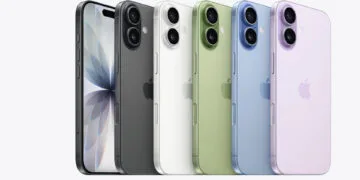
Five iPhone models side by side, one facing forward with visible Dynamic Island – the iPhone 18 generation launches in two waves

iPhone 18: Pro, Pro Max and Duo are available in stores, the base model will follow in spring 2027. All prices, dates and specifications of the series.

Read moreDetails

MacBook Pro vs. Studio Display XDR: OLED vs. Mini-LED

by Milan Jovicic
November 5, 2026 - 18:56 CET
MacBook Pro vs. Studio Display XDR: person using the touchscreen of a MacBook Pro at a desk, with large monitors in the background

MacBook Pro vs. Studio Display XDR: OLED vs. Mini-LED compared. Contrast, brightness, size, prices, and which is right for whom.

Read moreDetails
Load More

Categories

  • Apple Insights
  • Apple Rumors
  • Apple News
  • Apple Tips & Tricks
  • iPhone news, rumors and tips
  • Mac and MacBook News
  • Reviews
Make Apfelpatient a preferred source One click – and you'll see us more often on Google

About APFELPATIENT

APFELPATIENT brings you the latest Apple news, product updates, guides, reviews and tips across the entire Apple ecosystem — from the iPhone to the Mac to the Apple Vision Pro. From the first rumors to confirmed news: researched responsibly.

Follow Apfelpatient

Facebook Instagram YouTube Threads Threads

Company

  • About Apfelpatient
  • Contact
  • Author Profiles

Community

  • Netiquette
  • Push notifications
  • RSS feed

Legal

  • Legal Notice
  • Privacy Policy
  • Terms of Use
  • Cookie settings
  • Affiliate Program

Resources

  • Sitemap

© 2026 Apfelpatient. All rights reserved.

No result
View All Results
  • Home
  • News
  • Rumors
  • Tips & Tricks
  • Reviews
  • Insights

© 2026 Apfelpatient. All rights reserved. Site map

Change language to Deutsch