
Apfelpatient
  • Home
  • News
  • Rumors
  • Tips & Tricks
  • Reviews
  • Insights
No result
View All Results
  • iPhone 18
  • iPhone 18 Pro
  • iPhone Duo
  • Apple Home
  • Siri AI
  • HomePod
  • HomePod mini
  • HomePod mini 2
  • MacBook Pro
  • Apple TV 4K
  • Apple Watch Series 12
  • Apple Watch Ultra 4
  • AirPods 5
  • iOS 27
  • iPadOS 27
  • macOS
  • MacBook Neo
  • iPhone 17e
  • AirTags
  • iOS 26
  • iPhone 17
  • iPadOS
  • iMac
  • Mac mini
  • Apple TV
  • iPad Pro
  • iPhone Air
  • Apple Vision Pro
  • iPhone 16
  • AirPods 4
  • Apple Watch Ultra
  • MacBook Air
  • iPad
  • AirPods Max
  • AirPods Pro 3
  • Mac Studio
  • Studio Display
  • iPad Air
  • iPad mini
  • watchOS 27
  • Apple CarPlay
  • Apple Pay
  • watchOS 26
  • Home
  • News
  • Rumors
  • Tips & Tricks
  • Reviews
  • Insights
No result
View All Results
Apfelpatient
No result
View All Results
  • iPhone 18
  • iPhone 18 Pro
  • iPhone Duo
  • Apple Home
  • Siri AI
  • HomePod
  • HomePod mini
  • HomePod mini 2
  • MacBook Pro
  • Apple TV 4K
  • Apple Watch Series 12
  • Apple Watch Ultra 4
  • AirPods 5
  • iOS 27
  • iPadOS 27
  • macOS
  • MacBook Neo
  • iPhone 17e
  • AirTags
  • iOS 26
  • iPhone 17
  • iPadOS
  • iMac
  • Mac mini
  • Apple TV
  • iPad Pro
  • iPhone Air
  • Apple Vision Pro
  • iPhone 16
  • AirPods 4
  • Apple Watch Ultra
  • MacBook Air
  • iPad
  • AirPods Max
  • AirPods Pro 3
  • Mac Studio
  • Studio Display
  • iPad Air
  • iPad mini
  • watchOS 27
  • Apple CarPlay
  • Apple Pay
  • watchOS 26

Apple develops its own image sensor for the iPhone

Milan Jovicic by Milan Jovicic
August 4, 2025 - 18:38 CEST
in Apple Rumors
0
iPhone Apple

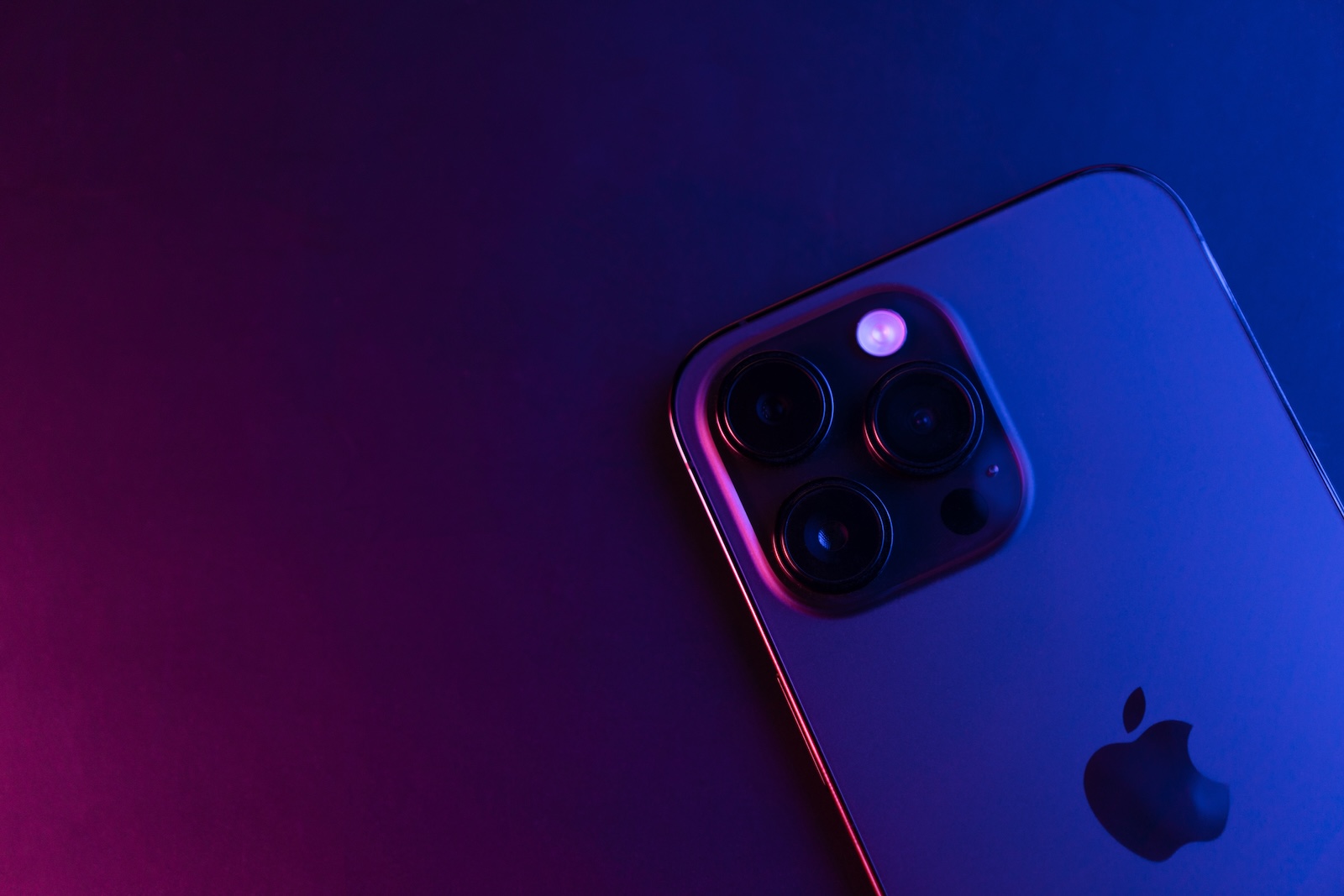
Image: Shutterstock / Diego Thomazini

WhatsAppFacebookEmail
Threads

This article may contain affiliate links. Learn more on our Partner Program page.

Make Apfelpatient a preferred source One click – and you'll see us more often on Google

In the smartphone world, the camera has long been more than just a nice-to-have. It's one of the most important purchasing criteria – especially for the iPhone. Year after year, Apple continues to deliver software and hardware improvements. Now, a bigger leap could be imminent: Apple has reportedly developed its own image sensor for future iPhones, which could set new standards in image quality.

Current evidence suggests that Apple wants to become more independent when it comes to camera hardware. A new, internally developed image sensor is apparently nearing the testing phase. Initial information comes from a recently published patent and leaker circles on the Chinese platform Weibo. The goal seems clear: higher image quality, more control over the camera technology, and a direct comparison with professional camera systems.

Apple plans camera sensor with extremely high dynamic range

The central theme of the new patent is an image sensor with a stacked pixel architecture that combines a particularly high dynamic range with minimal image noise. Specifically, it describes a structure in which two silicon layers are stacked on top of each other. The upper layer absorbs the light, while the lower layer processes the signals and controls functions such as exposure and noise reduction. According to the patent, this sensor can capture a dynamic range of up to 20 f-stops. This is relatively close to human vision – depending on the lighting conditions, the dynamic range of the human eye is approximately 20 to 30 f-stops.

  • For comparison, most current smartphone cameras operate in the range of 10 to 13 f-stops. Even many professional cinema cameras, like the ARRI ALEXA 35, achieve around 17 stops less than Apple's current theoretical limit.

LOFIC ensures better light distribution in the image

A crucial component in the new sensor design is the so-called LOFIC technology – short for Lateral Overflow Integration Capacitor. This allows each pixel of the sensor to capture different amounts of light depending on the brightness of the respective scene. This creates images with very high contrast, but still preserves details in shadows or bright areas. This is especially useful in difficult lighting conditions, such as when photographing a face in front of a bright window. Conventional cameras tend to either show the face too dark or the window overexposed. According to the patent, the new sensor can capture both correctly – in a single image, without any post-processing.

Pixel-level noise reduction

Apple also appears to be taking its own approach to reducing image noise. According to the description, each individual pixel contains its own memory circuit that detects and compensates for electronic noise – directly on the chip. This could bring noticeable benefits, especially in low light, when sensors typically produce more noise. This noise reduction takes place before the image is actually saved. This means less need for software corrections, better image quality straight from the camera, and more consistent results in burst shots or video.

Previous iPhones rely on Sony sensors

Currently, the camera sensors in all iPhone models come from Sony. These also use a two-layer sensor design, as now described in the Apple patent. However, Apple combines the familiar principle with its own technologies such as LOFIC and internal signal processing, which should lead to more compact design and greater efficiency. With its own sensor, Apple would also have more control over the entire image pipeline—from light capture to image output. A step that fits well with Apple's strategy of increasingly developing key hardware components in-house, thus becoming less dependent on suppliers such as Intel, Qualcomm, and Sony.

The sensor is apparently already fully developed

According to a leaker named "Fixed Focus Digital," active on the Weibo platform, this isn't just a theoretical patent application. Apple is said to have already developed the sensor in a functional form. Initial tests are said to be underway in internal development hardware, which suggests imminent integration into future iPhone models. There is currently no concrete timeline or indication as to which iPhone generation the sensor might first be used in. If Apple actually puts this sensor into production, it would be a technical breakthrough for smartphone cameras—and a significant step toward complete in-house development in the field of photography.

Apple relies on its own camera technology in the iPhone

With the new image sensor, Apple aims to make the iPhone camera even more powerful – while simultaneously achieving a more compact design and greater technical independence. The focus is on genuine technical advancements: greater dynamic range, less image noise, and better contrast. The concept is based on an innovative sensor architecture and modern technologies such as LOFIC. If the sensor is actually integrated into future iPhones, it would not only improve image quality but also significantly strengthen Apple's role as a camera developer. Instead of relying on external suppliers, Apple is steering the direction itself – and taking the iPhone's camera technology to a new level. (Image: Shutterstock / Diego Thomazini)

  • iPhone display of the future: Apple tests tandem OLED
  • Apple focuses on folding devices – a model is still pending
  • iPadOS 26 is ready for the upcoming 18.8-inch iPad Fold
  • iPhone 17 Air with 2.49 mm battery – Apple focuses on extreme design
  • JPMorgan: iPhone Fold launches in 2026 with huge market potential

Was this article helpful?
YesNo
Tags: iPhone
SendShareSend
Share

Our Amazon Storefront

A handpicked selection of products for iPhone, Mac and more – sorted by topic and updated regularly.

Shop Now

This post contains affiliate links (including Amazon). We earn a small commission on qualifying purchases – at no extra cost to you. Learn more on our Partner Program page.

Previous Post

iPhone display of the future: Apple tests tandem OLED

Next Post

Apple plans the biggest Siri upgrade yet

Milan Jovicic

Milan Jovicic

Milan founded Apfelpatient in 2016 and has been responsible for all editorial content since 2018 – news, rumors, how-to guides and product reviews. Here, Apple devices aren't review units kept for two weeks, they're everyday tools: from iPhone to MacBook Pro, MacBook Air and iMac all the way to Apple Vision Pro, at least one device from every product category is in daily use, many of them replaced every year. Every menu path in a guide is checked on the device before it goes live.

Related posts

iPad Air with OLED: Up to 5 million devices by 2027

by Milan Jovicic
November 10, 2026 - 7:39 PM CET
iPad Air OLED: Two iPad Air models in 13 and 11 inches in purple and blue, slightly offset in front of each other with colourful wallpapers.

The iPad Air is expected to switch to OLED in 2027: The supply chain anticipates 4 to 5 million devices, with Samsung supplying the majority of the panels.

Read moreDetails

iPhone 18e: Leak reveals 6.3-inch display and battery of the iPhone 18

by Milan Jovicic
November 9, 2026 - 16:42 CET
Apple iPhone 17e, predecessor of the iPhone 18e, with a notch at the top of the display

According to a leak, the iPhone 18e will have a 6.3-inch screen and the same battery as the iPhone 18. The removal of the SIM card slot is said to create more space.

Read moreDetails

iOS 28: Apple gives engineers more time for new ideas

by Milan Jovicic
November 8, 2026 - 17:40 CET
Symbol image for iOS 28: Xcode app icon with a hammer on a light gray background

With iOS 28, Apple changed the first development phase: six weeks instead of four for programming, only two for merging.

Read moreDetails

Mike Rockwell: Siri chief could step down in 2027

by Milan Jovicic
November 8, 2026 - 17:24 CET
Mike Rockwell standing in a glass-walled room at Apple Park with the ring building behind him

Mike Rockwell is considering stepping down as Siri leader in 2027, and may even leave Apple. His responsibilities would reportedly be shared by two managers.

Read moreDetails

Siri AI is to become an AI agent; Ternus is putting on the pressure

by Milan Jovicic
November 8, 2026 - 17:04 CET
Siri AI: Siri app icon with a silver sphere on a graphite background

Siri AI is supposed to handle tasks independently: According to a report, Apple CEO John Ternus is pushing for an AI agent. In Germany, EU regulations and language are holding things back.

Read moreDetails
Load More

Categories

  • Apple Insights
  • Apple Rumors
  • Apple News
  • Apple Tips & Tricks
  • iPhone news, rumors and tips
  • Mac and MacBook News
  • Reviews
Make Apfelpatient a preferred source One click – and you'll see us more often on Google

About APFELPATIENT

APFELPATIENT brings you the latest Apple news, product updates, guides, reviews and tips across the entire Apple ecosystem — from the iPhone to the Mac to the Apple Vision Pro. From the first rumors to confirmed news: researched responsibly.

Follow Apfelpatient

Facebook Instagram YouTube Threads Threads

Company

  • About Apfelpatient
  • Contact
  • Author Profiles

Community

  • Netiquette
  • Push notifications
  • RSS feed

Legal

  • Legal Notice
  • Privacy Policy
  • Terms of Use
  • Cookie settings
  • Affiliate Program

Resources

  • Sitemap

© 2026 Apfelpatient. All rights reserved.

No result
View All Results
  • Home
  • News
  • Rumors
  • Tips & Tricks
  • Reviews
  • Insights

© 2026 Apfelpatient. All rights reserved. Site map

Change language to Deutsch