Nine days before the preliminary injunction hearing, Apple has turned the tables. OpenAI and the other defendants had sought to have Apple's new expert opinions removed from the proceedings – now Apple is accusing them of violating the court's rules. At the heart of the matter is the statement that former Apple engineer Chang Liu attached to the objections.
In July, Apple sued former employees Chang Liu and Tang Tan, as well as OpenAI and io Products, for theft of trade secrets. Shortly before the hearing for the requested preliminary injunction, Apple submitted five additional expert opinions, whereupon the defendants requested that parts of them be disregarded.
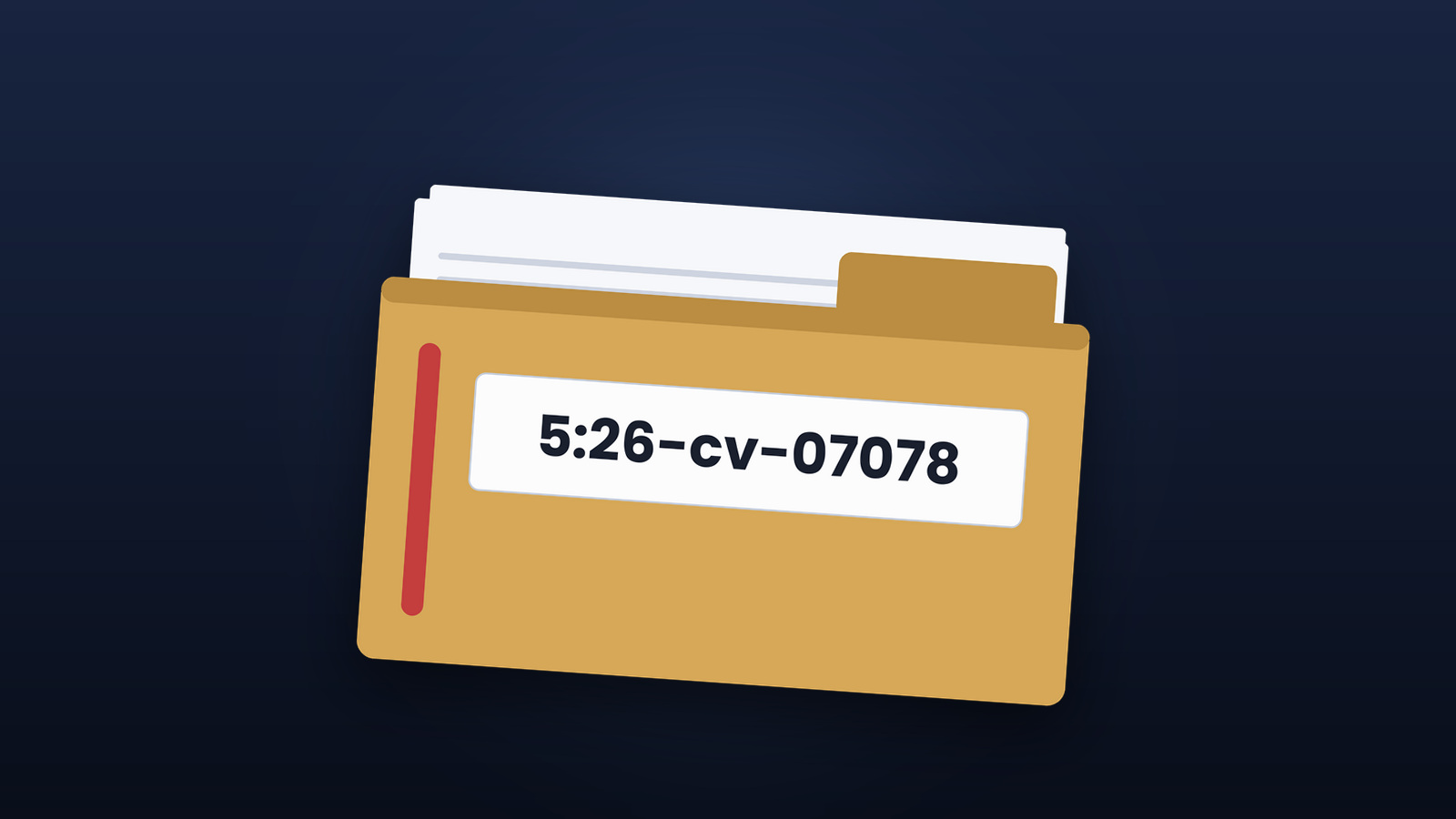
Apple responded with a four-page brief dated October 5, document 173 in case 5:26-cv-07078 in the District Court for the Northern District of California. This is the latest development in a legal battle that has dominated the dispute between Apple and OpenAI since the summer.
Key Facts at a Glance
- Apple accuses the defendants of using their objections to Apple's new evidence to support additional arguments on the case.
- The core of the accusation is Chang Liu's statement, which contains eight paragraphs of new statements, including one about his deleted iMac.
- Together, the objections and explanation comprise nine pages; court rules allow five.
- Apple demands that the court not strike anything down and decide based on all documents from both sides.
- The hearing will take place on October 14th at 6 pm German time.
What the court rule allows
The relevant local procedural rule is Rule 7-3(d)(1) of the District Court. It allows a party to raise objections to new evidence submitted by the opposing party only in its reply. Further arguments relating to the original motion are expressly not permitted in such a pleading, and it may not exceed five pages.
Apple believes these boundaries have been crossed. The defendants, for example, disputed whether one of Apple's experts had a sufficient basis for his analysis and adequately considered counter-evidence. These are objections to the content, not to new evidence – and thus a reopening of the debate surrounding Apple's injunction application.
Liu's new explanation
Apple considers Chang Liu's statement, which the defendants attached to their objections, to be the most serious violation. It comprises eight paragraphs of new statements. In it, Liu explains why he deleted all data on his iMac before returning it to Apple – resetting it was standard procedure at Apple so that the device could be passed on to the next employee.
Furthermore, the case concerns the significance of text messages with an Apple supplier and its use of a confidential Apple file. Apple considers this a new argument on the matter, which has no place in a written objection. The objections and explanation together comprise nine pages.
Everything on the table instead of cuts
The pleading does not end with a request to strike Liu's statement. Apple describes the defendants' submission as a kind of further response for which they had not sought permission. Because the defendants have already responded comprehensively to Apple's new evidence, the court should not strike any of Apple's evidence.
Instead, Judge Edward J. Davila is to decide on the preliminary injunction based on the complete file. This expressly includes the new arguments and evidence submitted by the defendant, which Apple considers inadmissible.
An exchange in favor of the expert opinions
I believe Apple's motion is a deliberate trade-off. On the one hand, there are five expert opinions totaling 126 pages, submitted by Apple in its response; on the other, eight paragraphs from Liu. If the court admits both, Apple loses little and retains the basis on which it ultimately founded its motion.
Apple does not accept Liu's statements: The written submission calls them excuses for the deleted iMac. Apple denies them but leaves them in the file instead of demanding their removal. The hearing before the court in San Jose begins on October 14 at 9 a.m. local time, which is 6 p.m. German time.
Do you think it's wise for Apple to forgo having Liu's statement removed in order to protect its own expert opinions? Let us know in the comments how you think the hearing on October 14th will turn out.