This article may contain affiliate links. Learn more on our Partner Program page.
A small team from Zurich, software that breaks down chords into individual notes, and a report that only became public thanks to EU law: Apple has acquired the technology and staff of Samplab. This isn't the first time Apple's music software has received support from a German-speaking company.
Samplab was a Zurich-based startup for AI-powered audio editing, founded in 2020 by Manuel Fritsche and Gian-Marco Hutter. The company offered a desktop app and plug-ins for music software, including Logic Pro. The website samplab.com now redirects to apple.com.
The transaction became public via the EU Commission's acquisition list under the Digital Markets Act. According to the entry, Apple acquired certain assets from Samplab and took on some of its employees in June through an unnamed subsidiary. The list does not disclose the purchase price.
Key Facts at a Glance
- Apple acquired assets from the Zurich-based startup Samplab and hired employees in June.
- Samplab developed AI tools that convert audio to MIDI, separate tracks, and edit individual notes in chords.
- The acquisition became known through the mandatory disclosure requirements for takeovers under the Digital Markets Act.
- Apple has already acquired a German start-up, Patchflyer, this year using the same method.
What Samplab could do
Samplab specialized in AI-powered music production tools. The software converted audio to MIDI, recognized and edited chords, and separated songs into individual tracks, such as vocals, bass, and drums.
The most striking feature went even further: Samplab could modify individual notes within a chord without altering the sound of the original recording. Logic Pro already offers track separation and chord recognition, but editing individual notes in multi-voice audio is still missing.
Why the EU knows about this
The fact that this purchase is known is due to the Digital Markets Act: As a gatekeeper, Apple must report planned mergers in the digital sector to the EU Commission, which then publishes them in a list.
This is exactly how it was revealed back in May that Apple had acquired parts of the German Color.io developer Patchflyer. The pattern is the same: Apple buys assets instead of the entire company and brings the founders or part of the team into the business.
German-speaking roots of Logic Pro
For Logic Pro, this brings things full circle. The software originally came from Emagic in Rellingen near Hamburg, which Apple acquired in July 2002. With Samplab, expertise from German-speaking countries is once again being incorporated into Apple's music software.
| Takeover | Seat | Year | Area |
|---|---|---|---|
| Emagic | Rellingen (Germany) | 2002 | Logic, music production |
| Patch flyer | Germany | 2026 | Color.io, color correction |
| Samplab | Zurich (Switzerland) | 2026 | AI audio editing |
Where the technology is likely to end up
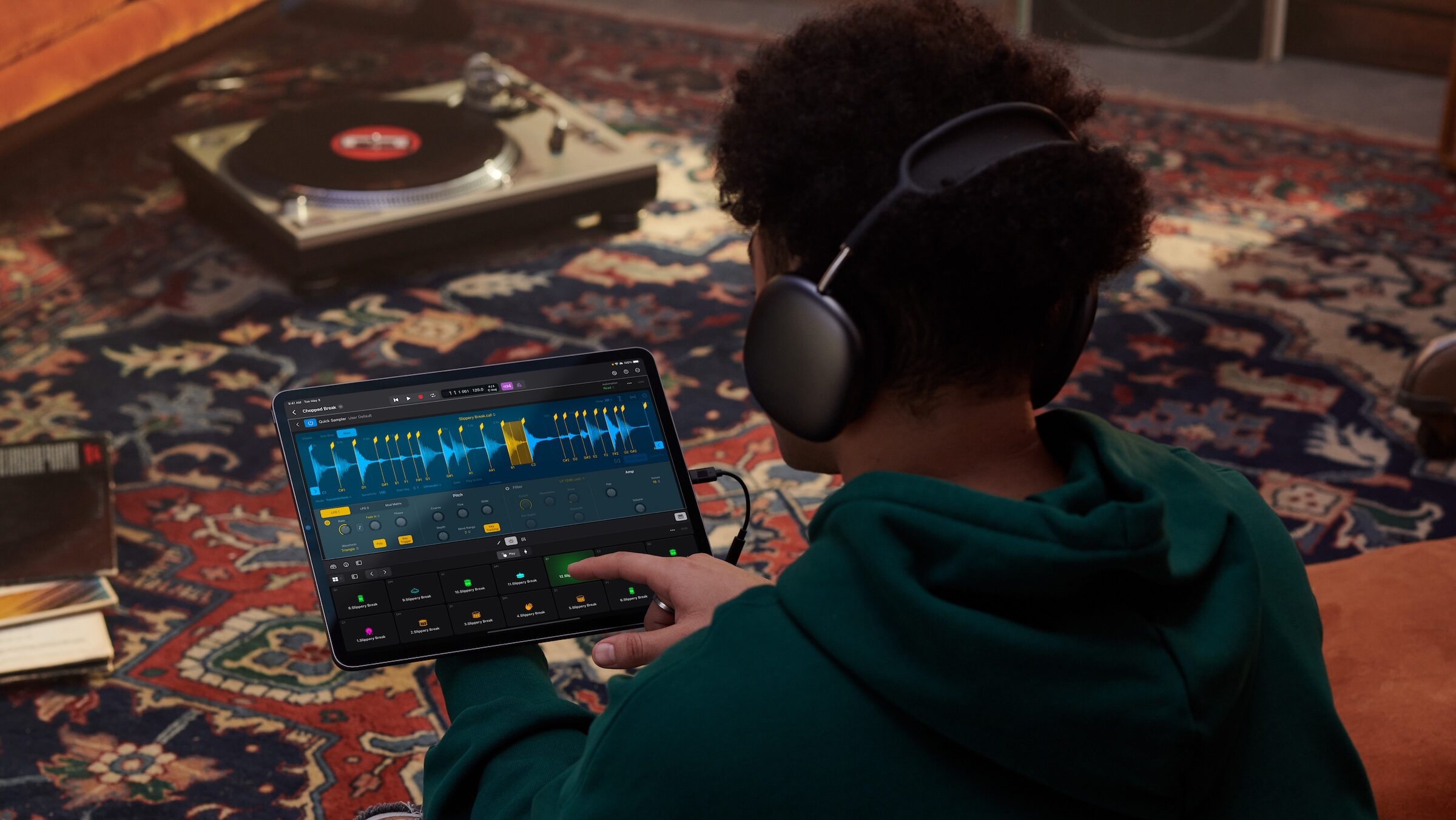
I expect it to appear in Logic Pro, which Apple has also been selling as part of Apple Creator Studio since January. Editing individual notes within chords would fill precisely the gap that Logic still has besides track separation and chord recognition. A simpler version in GarageBand is also conceivable.
Those who previously used Samplab are now without their tools. Samplab has ceased operations and announced that it will refund the remaining term of annual subscriptions.
Would you use a notation editor for chords in Logic Pro – or are the existing track separation and chord recognition sufficient for you? Tell us in the comments how you produce music.