Apple wants to expand the fall detection feature you know from the Apple Watch to other devices. A newly discovered patent shows that the feature could also be integrated into Vision Pro, Apple Glasses, and even smart contact lenses in the future. The goal is to increase user safety – with better technology and new emergency detection capabilities.
The Apple Watch's fall detection feature has been around since 2018 and has made headlines several times for saving lives. Whether it's cyclists, seniors, or hikers – the system detects a hard impact, asks if everything is OK, and sends an emergency call if necessary. This all happens automatically if you don't react. Now Apple wants to bring this feature to other wearables – with additional sensors, better detection, and more context for emergency responders.
The previous fall detection of the Apple Watch
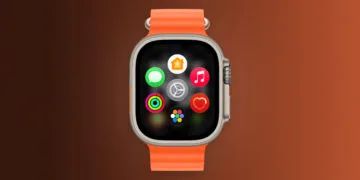
The Apple Watch uses a built-in accelerometer and gyroscope to detect falls. If a strong impact is detected, the watch vibrates on your wrist and displays an alert. You can then select whether you need help or whether you're okay. If you don't react within one minute and remain stationary, an emergency call is automatically made. The watch transmits your exact location to the emergency services and indicates that you may be unconscious. Numerous real-life cases prove its effectiveness:
- A man credits the Apple Watch with saving his life after a fall
- A cyclist was found in time after an accident in the rain
- A New Jersey man was rescued after falling off a cliff
- A 92-year-old farmer was found after falling from a ladder
- In Norway, a user was located and treated after a nighttime fall
The new patent: Fall detection in other wearables
According to a report from Patently Apple, a recent patent describes how Apple plans to expand fall detection to more devices. Specifically, it mentions:
- Vision Pro
- Apple Glasses
- Intelligent contact lenses
The idea behind this is that these devices could be even more effective than the Apple Watch because they can capture more information. This includes, for example:
- The position of your eyes (open or closed)
- Pupil dilation as an indication of unconsciousness
- Data from external cameras about the environment
Apple describes in the patent that when a fall is detected, additional biometric data, such as whether you are conscious, will be collected. The system could then automatically initiate emergency measures – for example, make an emergency call, provide information about your condition, or forward a camera image of the surroundings to emergency services. Another point: By automatically processing this data, the device should work more efficiently – consuming less power and responding faster because fewer inputs are required from you (via Patently Apple).
Which devices are specifically meant?
The patent describes several types of devices:
- Headsets like Vision Pro
- Glasses like the planned Apple Glasses
- Contact lenses with built-in technology
According to Apple, these could be systems that represent a 3D environment, such as holographic displays, head-mounted systems, or even lenses with integrated displays. This would allow fall detection to take place directly in your eye, without you having to operate an additional device. Whether and when this feature will actually be integrated into contact lenses remains to be seen. It's common practice for Apple to cover as many scenarios as possible in its patents—even those that aren't yet technically feasible. Nevertheless, the patent shows the direction Apple is taking.
How Apple wearables will take on even more responsibility in the future
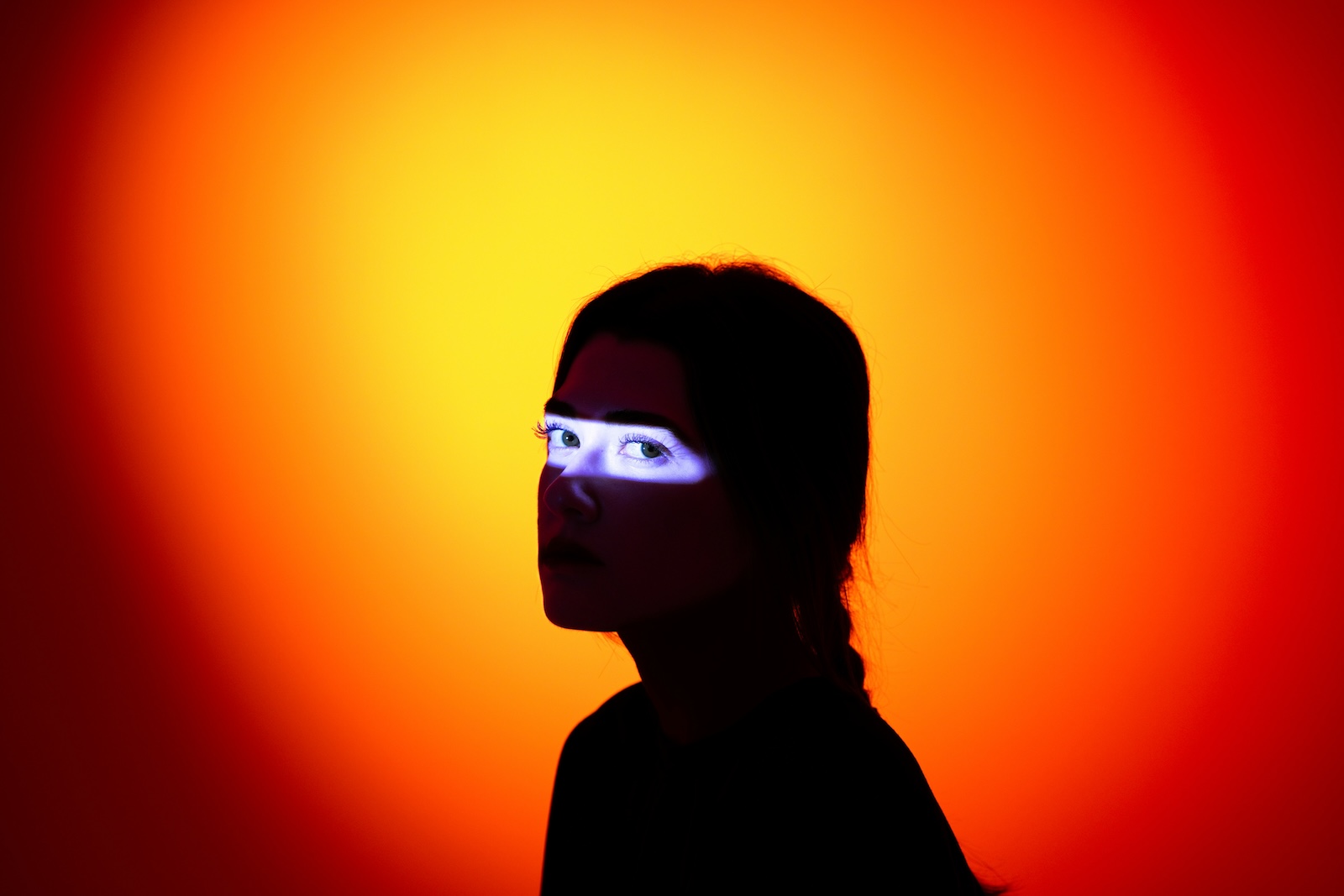
Apple doesn't want to limit its proven fall detection to the Apple Watch. Vision Pro, Apple Glasses, and even smart contact lenses could soon detect whether you've fallen and whether you're responsive. Biometric data, camera images, and automated processes should help get help faster and more accurately. For you, this means: Apple wearables could soon do even more than before – and become crucial support in an emergency. This would be a real safety benefit, especially for those living alone, the elderly, or outdoor enthusiasts. (Photo by Unsplash+ / Ahmet Kurt)
- Foldable Apple Watch? New patent provides clues
- Apple Patent: More action buttons for iPhones and more
- Apple patent shows: iPhone could soon control everything automatically
- New research: Apple develops hinges for foldable iPhone