
apple patient
  • Home
  • News
  • Rumors
  • Tips & Tricks
  • Reviews
  • Insights
No Result
View All Result
  • iPhone 18
  • iPhone 18 Pro
  • iPhone Duo
  • Apple Watch Series 12
  • Apple Watch Ultra 4
  • AirPods 5
  • iOS 27
  • iPadOS 27
  • macOS
  • MacBook Neo
  • iPhone 17e
  • AirTags
  • iOS 26
  • iPhone 17
  • MacBook Pro
  • iPadOS
  • iMac
  • Mac mini
  • HomePod
  • Apple TV
  • iPad Pro
  • iPhone Air
  • Apple Vision Pro
  • iPhone 16
  • AirPods 4
  • Apple Watch Ultra
  • HomePod Mini
  • MacBook Air
  • iPad
  • AirPods Max
  • AirPods Pro 3
  • Apple Watch Series 3
  • Mac Studio
  • Studio Display
  • iPad Air
  • iPad mini
  • watchOS 27
  • Apple CarPlay
  • Apple Pay
  • watchOS 26
  • Home
  • News
  • Rumors
  • Tips & Tricks
  • Reviews
  • Insights
No Result
View All Result
apple patient
No Result
View All Result
  • iPhone 18
  • iPhone 18 Pro
  • iPhone Duo
  • Apple Watch Series 12
  • Apple Watch Ultra 4
  • AirPods 5
  • iOS 27
  • iPadOS 27
  • macOS
  • MacBook Neo
  • iPhone 17e
  • AirTags
  • iOS 26
  • iPhone 17
  • MacBook Pro
  • iPadOS
  • iMac
  • Mac mini
  • HomePod
  • Apple TV
  • iPad Pro
  • iPhone Air
  • Apple Vision Pro
  • iPhone 16
  • AirPods 4
  • Apple Watch Ultra
  • HomePod Mini
  • MacBook Air
  • iPad
  • AirPods Max
  • AirPods Pro 3
  • Apple Watch Series 3
  • Mac Studio
  • Studio Display
  • iPad Air
  • iPad mini
  • watchOS 27
  • Apple CarPlay
  • Apple Pay
  • watchOS 26

Why Apple is developing its own modem & what's behind it

Milan Jovicic by Milan Jovicic
August 19, 2024 - 3:22 PM CEST
in Apple Rumors
0
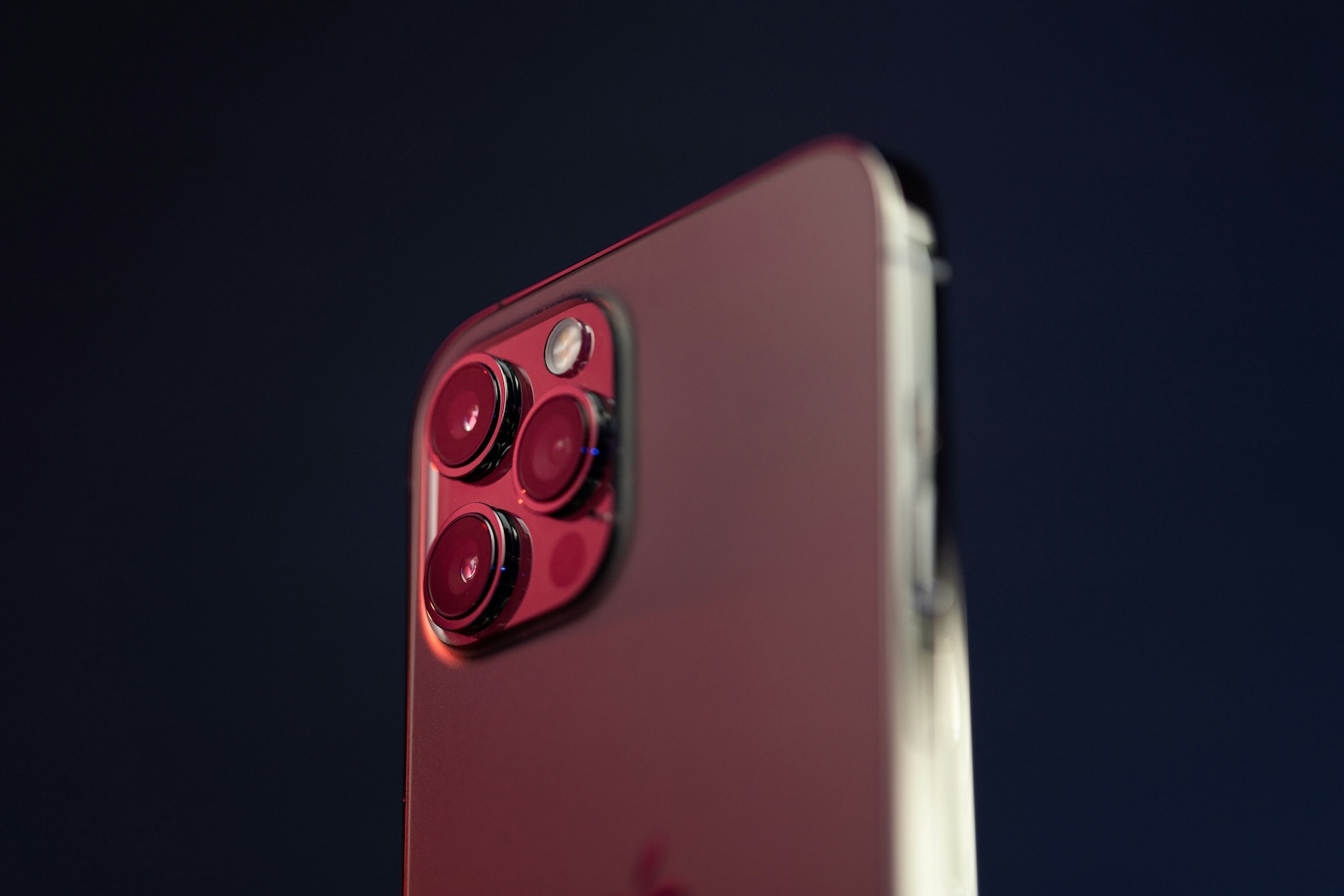
Apple Modem

Photo by Unsplash / TheRegisti

WhatsAppFacebookEmail
Threads

In the world of smartphones, Apple is always striving to differentiate itself from the competition and continuously improve its products. One of the challenges the company is facing is developing its own modem to reduce its dependence on Qualcomm. This project has made headlines and sparked debate. But why is Apple investing so much time and resources in this project?

Apple's decision to develop its own modem surprised many. After all, Qualcomm has been the market leader in this field for years, providing proven technology for the iPhone and other Apple devices. But the relationship between Apple and Qualcomm has not always been harmonious. Numerous legal disputes and constant dependence on external suppliers have led Apple to look for its own solution. But why would a company like Apple, known for developing first-class products with high user-friendliness, embark on such a risky venture?

The Long Road to Independence

Apple has been striving to develop its own modem for years, but the path to this goal is paved with many obstacles. Developing a wireless chip is far more complex than it seems at first glance. Each modem must support a variety of standards and their different variants worldwide. This requires not only technical know-how but also extensive testing in different mobile networks and environments. This complexity has led to the switch to its own modem being postponed several times. However, the fact that Apple is not giving up its efforts in this area shows how important the company considers this independence. Even if there are no noticeable benefits for users at first, Apple sees great long-term potential in this investment.

Why your own modem?

At first glance, it may seem that Apple is only trying to reduce costs by using its own chip. But the reasons for this are more varied, as Bloomberg reportedBy integrating the modem into a new wireless chip that is also responsible for WiFi and Bluetooth connections, Apple could improve the reliability and battery life of its devices. In the long term, there is even the possibility of integrating all of these components into the main system on a chip (SoC). This would not only save space inside the iPhone but also reduce costs and open up new design possibilities. In addition, the savings in production would allow Apple to invest in other areas to integrate new features and innovations into its devices. Another argument for having its own modem is greater control over its own hardware, which is of great importance for a company that is always concerned with the highest quality and seamless integration of its products.

risks and challenges

Despite the potential benefits, developing your own modem also entails significant risks. Supporting numerous international cellular standards and the necessary reliability in different environments make the project extremely challenging. If Apple makes mistakes, it could lead to one of the biggest scandals in the history of the iPhone, comparable to the "Antennagate" incident a few years ago. Switching more than a billion users to an in-house modem requires extensive testing and careful planning to avoid potential problems. This shows how risky and ambitious Apple's project is.

Why the Apple modem is more than a cost-cutting measure

The project to develop Apple's own modem to replace the Qualcomm chip is much more than just a cost-cutting measure. It's about independence, better integration and the possibility of creating more innovative and efficient products in the future. Although the path to this goal is fraught with challenges and risks, Apple remains true to its philosophy of always striving for perfection and control over its own technology. If Apple successfully implements this plan, it could not only influence the future of the iPhone but also the entire industry. Even if customers may not notice much difference at the moment, this step could prove to be crucial in the long term. Apple shows once again that it is willing to take risks to realize its vision and ultimately offer its users the best possible experience. (Photo by Unsplash / TheRegisti)


  • iPhone 16 Pro: New color option could be called “Desert Titanium”
Make Apfelpatient a preferred source One click – and you'll see us more often on Google
Was this article helpful?
YesNo
Tags: iPadiPhone
SendShareSend
Share

Our Amazon Storefront

A handpicked selection of products for iPhone, Mac and more – sorted by topic and updated regularly.

Shop Now

This post contains affiliate links (including Amazon). We earn a small commission on qualifying purchases – at no extra cost to you. Learn more on our Partner Program page.

Previous Post

iPhone 16 Pro: New color option could be called “Desert Titanium”

Next Post

Is an Apple search engine coming? Probably not

Milan Jovicic

Milan Jovicic

Milan founded Apfelpatient in 2016 and has been responsible for all editorial content since 2018 — news, rumors, guides, and product reviews. Apple devices here are not test units on loan for two weeks but everyday tools: from the iPhone through MacBook Pro, MacBook Air, and iMac to the Apple Vision Pro, at least one device from nearly every product category is in daily use, many of them replaced annually. Every menu path in a guide is verified on the device before it is published.

Related posts

iPhone 20: Apple postpones two new display technologies

by Milan Jovicic
September 23, 2026 - 5:22 p.m. CEST
iPhone 20 display comparison: current black iPhone Pro with a flat display, shown at an angle from above on a grey stone surface

The iPhone 20 is expected to retain its fully curved display, but without COE and LTPO+. A report cites two reasons for the delay.

Read moreDetails

Apple AI Pin: Development of the camera pendant is paused

by Milan Jovicic
September 22, 2026 - 8:05 p.m. CEST
Apple AI pin: an AirTag on a grey surface used as a size comparison

Apple AI pin: Development of the camera-enabled pin is on hold. An AirTag-sized prototype exists, but the 2027 release date is no longer in place.

Read moreDetails

Apple fitness tracker without a display: Prototypes put to the test

by Milan Jovicic
September 22, 2026 - 7:25 p.m. CEST
Apple fitness tracker without display: swimmer wearing an Apple Watch during lap training

According to reports, Apple is testing prototypes of a fitness tracker without a display, modeled after the Whoop. A market launch would be possible no earlier than 2028.

Read moreDetails

iPhone Pro from 2029: Display without polarizer expected

by Milan Jovicic
September 22, 2026 - 4:07 p.m. CEST
Symbolic image for iPhone Pro display without polarizer: black iPhone Pro model seen from the back on a grey stone surface

A market researcher expects the 2029 iPhone Pro models to feature OLED displays without a polarizer: brighter or more energy-efficient and also thinner.

Read moreDetails

Apple Home Hub: Face recognition without a depth sensor

by Milan Jovicic
September 20, 2026 - 6:50 p.m. CEST
Apple Home Hub: Home app icon on a blue gradient

Apple's home entertainment system is designed to recognize who is standing in front of it – without a Face ID sensor. Here's what we know about the system, its design, and the release date.

Read moreDetails
Load More

Categories

  • Apple Insights
  • Apple Rumors
  • Apple News
  • Apple Tips & Tricks
  • iPhone news, rumors and tips
  • Mac and MacBook News
  • Reviews

About APFELPATIENT

APFELPATIENT brings you the latest Apple news, product updates, guides, reviews and tips across the entire Apple ecosystem — from the iPhone to the Mac to the Apple Vision Pro. From the first rumors to confirmed news: researched responsibly.

Follow Apfelpatient

Facebook Instagram YouTube Threads Threads

Company

  • About Apfelpatient
  • Contact
  • Author Profiles

Community

  • Netiquette
  • Push Notifications
  • RSS feed

Legal

  • Legal Notice
  • Privacy Policy
  • Terms of Use
  • Cookie Settings
  • Affiliate Program

Resources

  • Sitemap

© 2026 Apfelpatient. All rights reserved.

No Result
View All Result
  • Home
  • News
  • Rumors
  • Tips & Tricks
  • Reviews
  • Insights

© 2026 Apfelpatient. All rights reserved. Page Directory

Change language to Deutsch