apple patient
  • Home
  • News
  • Rumors
  • Tips & Tricks
  • Reviews
  • Insights
No Result
View All Result
  • iPhone 18
  • iPhone 18 Pro
  • iPhone Duo
  • Apple Watch Series 12
  • Apple Watch Ultra 4
  • AirPods 5
  • iOS 27
  • iPadOS 27
  • macOS
  • MacBook Neo
  • iPhone 17e
  • AirTags
  • iOS 26
  • iPhone 17
  • MacBook Pro
  • iPadOS
  • iMac
  • Mac mini
  • HomePod
  • Apple TV
  • iPad Pro
  • iPhone Air
  • Apple Vision Pro
  • iPhone 16
  • AirPods 4
  • Apple Watch Ultra
  • HomePod Mini
  • MacBook Air
  • iPad
  • AirPods Max
  • AirPods Pro 3
  • Apple Watch Series 3
  • Mac Studio
  • Studio Display
  • iPad Air
  • iPad mini
  • watchOS 27
  • Apple CarPlay
  • Apple Pay
  • watchOS 26
  • Home
  • News
  • Rumors
  • Tips & Tricks
  • Reviews
  • Insights
No Result
View All Result
apple patient
No Result
View All Result
  • iPhone 18
  • iPhone 18 Pro
  • iPhone Duo
  • Apple Watch Series 12
  • Apple Watch Ultra 4
  • AirPods 5
  • iOS 27
  • iPadOS 27
  • macOS
  • MacBook Neo
  • iPhone 17e
  • AirTags
  • iOS 26
  • iPhone 17
  • MacBook Pro
  • iPadOS
  • iMac
  • Mac mini
  • HomePod
  • Apple TV
  • iPad Pro
  • iPhone Air
  • Apple Vision Pro
  • iPhone 16
  • AirPods 4
  • Apple Watch Ultra
  • HomePod Mini
  • MacBook Air
  • iPad
  • AirPods Max
  • AirPods Pro 3
  • Apple Watch Series 3
  • Mac Studio
  • Studio Display
  • iPad Air
  • iPad mini
  • watchOS 27
  • Apple CarPlay
  • Apple Pay
  • watchOS 26

OpenAI wants to complement smartphones with new AI device

Milan Jovicic by Milan Jovicic
May 22, 2025 - 4:20 PM CEST
in Apple Rumors
0
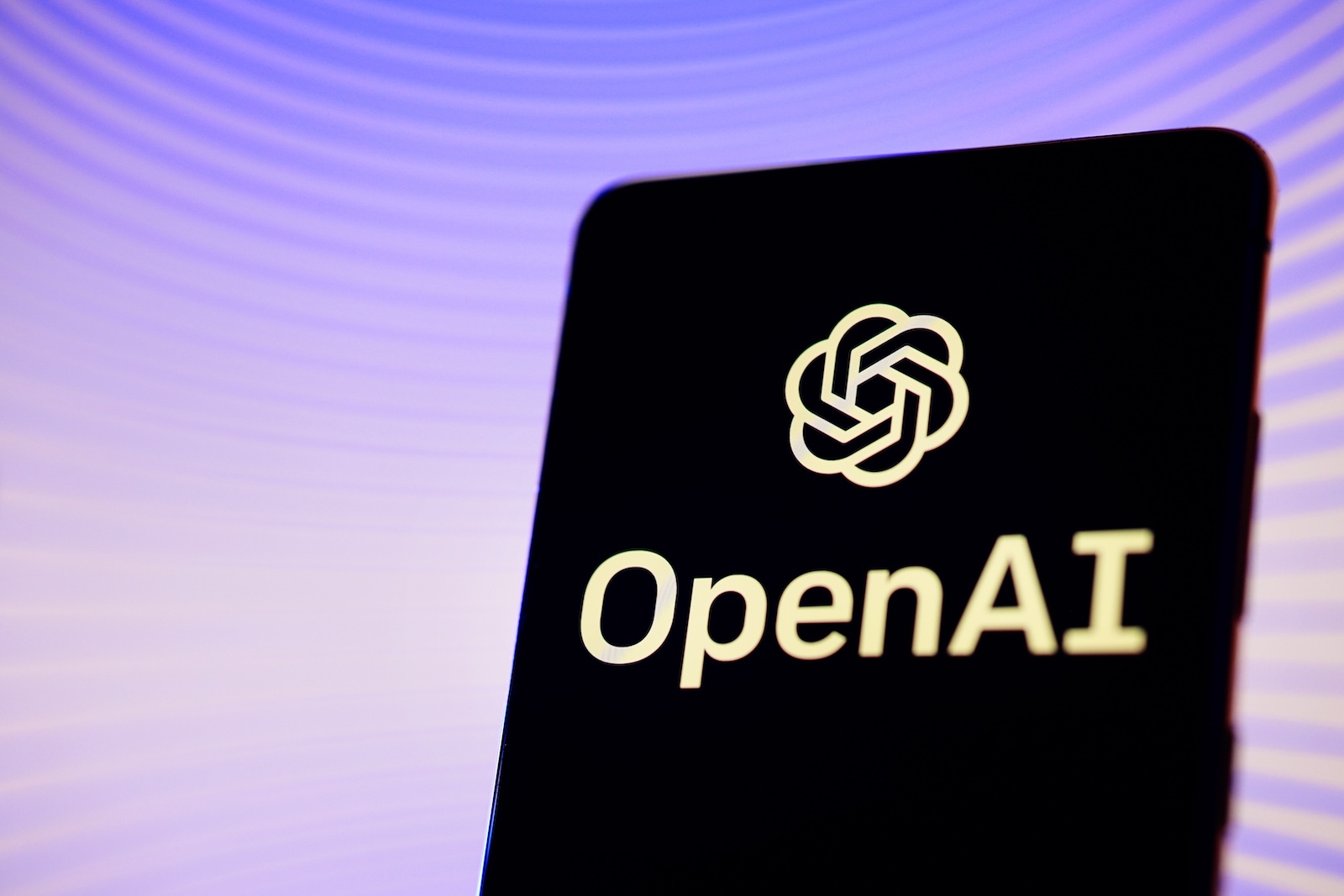
OpenAI Jony Ive

Image: Shutterstock / TY Lim

WhatsAppFacebookEmail
Threads

OpenAI no longer wants to just deliver software. Together with renowned designer Jony Ive, the company is working on its own hardware device that will make artificial intelligence a physical experience. According to renowned Apple analyst Ming-Chi Kuo, the project is already far enough along to publish basic specifications. The partnership aims to bring AI from the cloud into everyday life – tangible, wearable, and always available.

The development of intelligent hardware is seen in the industry as the next logical step in AI development. Software alone is no longer sufficient to realize the full potential of artificial intelligence. The combination of AI and physical presence—also known as "physical AI"—is increasingly seen as groundbreaking. With this collaboration, OpenAI is deliberately positioning itself against large platform providers like Google, which heavily integrate AI into their existing software ecosystems. With its own device, OpenAI aims to operate more independently—both technically and strategically.

The current status of the project

According to Ming-Chi Kuo, the prototype of the AI device is already in development. The device is currently slightly larger than the Humane AI Pin, but still compact. Its shape is reminiscent of the iPod Shuffle – small, portable, and reduced to the essentials. A key feature is that the device does not have a display. Instead, it contains cameras and microphones responsible for detecting the environment. The device is expected to be worn around the neck and thus always ready for use. A special feature is the planned connectivity: The device will be able to be paired with smartphones and PCs. It will utilize their computing power and display functions instead of taking over everything itself. This keeps the hardware compact and flexible without sacrificing modern applications.

Production and location strategy

An important aspect is the planned production location. Mass production is scheduled to begin in 2027, but deliberately not in China. To minimize geopolitical risks, manufacturing will likely take place in Vietnam. OpenAI aims to secure its supply chains and become less dependent on international tensions. This decision is strategically important, especially in times of increasing uncertainty surrounding the Sino-American technology competition.

Timing of announcement and strategic context

The announcement of the collaboration with Jony Ive comes right after Google I/O – and that's no coincidence. Google presented new features there that deeply integrate AI into Android and other products. With its hardware initiative, OpenAI is sending a deliberate counter-signal: not just playing along, but shaping the market with its own ideas. The fact that Jony Ive is involved is no PR stunt. Ive stands for products that are well-thought-out, user-centric, and beautifully designed. His involvement suggests that the new device is intended to set new standards not only in terms of functionality, but also in terms of design. The goal: user-friendly, unobtrusive AI that fits into everyday life.

Physical AI instead of app – OpenAI's new direction

OpenAI is entering the hardware market – together with Jony Ive and with a clear strategy. The device isn't yet ready for market, but the direction is clear: AI is meant to be tangible, as a daily companion, not as an app on a screen. Whether the device will reach the mass market remains to be seen. But it shows that OpenAI is taking the next step – out of the cloud and into the physical world. Looking for new accessories? Discover our Amazon Storefront now ! There you'll find a variety of products from top brands, ideal for HomeKit and more! (Image: Shutterstock / TY Lim)

  • Jony Ive develops a new AI device with OpenAI
  • Apple uses first-person perspective to train robots
  • Foxconn: AI and robotics take over the assembly lines
  • How stolen iPhones are smuggled to China worldwide
Make Apfelpatient a preferred source One click – and you'll see us more often on Google
Was this article helpful?
YesNo
Tags: OpenAITechPatient
SendShareSend
Share

Our Amazon Storefront

A handpicked selection of products for iPhone, Mac and more – sorted by topic and updated regularly.

Shop Now

This post contains affiliate links (including Amazon). We earn a small commission on qualifying purchases – at no extra cost to you. Learn more on our Partner Program page.

Previous Post

Jony Ive develops a new AI device with OpenAI

Next Post

Apple in action: More efficiency in hospitals

Milan Jovicic

Milan Jovicic

Milan founded Apfelpatient in 2016 and has been responsible for all editorial content since 2018 — news, rumors, guides, and product reviews. Apple devices here are not test units on loan for two weeks but everyday tools: from the iPhone through MacBook Pro, MacBook Air, and iMac to the Apple Vision Pro, at least one device from nearly every product category is in daily use, many of them replaced annually. Every menu path in a guide is verified on the device before it is published.

Related posts

iPhone 20: Apple postpones two new display technologies

by Milan Jovicic
September 23, 2026 - 5:22 p.m. CEST
iPhone 20 display comparison: current black iPhone Pro with a flat display, shown at an angle from above on a grey stone surface

The iPhone 20 is expected to retain its fully curved display, but without COE and LTPO+. A report cites two reasons for the delay.

Read moreDetails

Apple AI Pin: Development of the camera pendant is paused

by Milan Jovicic
September 22, 2026 - 8:05 p.m. CEST
Apple AI pin: an AirTag on a grey surface used as a size comparison

Apple AI pin: Development of the camera-enabled pin is on hold. An AirTag-sized prototype exists, but the 2027 release date is no longer in place.

Read moreDetails

Apple fitness tracker without a display: Prototypes put to the test

by Milan Jovicic
September 22, 2026 - 7:25 p.m. CEST
Apple fitness tracker without display: swimmer wearing an Apple Watch during lap training

According to reports, Apple is testing prototypes of a fitness tracker without a display, modeled after the Whoop. A market launch would be possible no earlier than 2028.

Read moreDetails

iPhone Pro from 2029: Display without polarizer expected

by Milan Jovicic
September 22, 2026 - 4:07 p.m. CEST
Symbolic image for iPhone Pro display without polarizer: black iPhone Pro model seen from the back on a grey stone surface

A market researcher expects the 2029 iPhone Pro models to feature OLED displays without a polarizer: brighter or more energy-efficient and also thinner.

Read moreDetails

Apple Home Hub: Face recognition without a depth sensor

by Milan Jovicic
September 20, 2026 - 6:50 p.m. CEST
Apple Home Hub: Home app icon on a blue gradient

Apple's home entertainment system is designed to recognize who is standing in front of it – without a Face ID sensor. Here's what we know about the system, its design, and the release date.

Read moreDetails
Load More

Categories

  • Apple Insights
  • Apple Rumors
  • Apple News
  • Apple Tips & Tricks
  • iPhone news, rumors and tips
  • Mac and MacBook News
  • Reviews

About APFELPATIENT

APFELPATIENT brings you the latest Apple news, product updates, guides, reviews and tips across the entire Apple ecosystem — from the iPhone to the Mac to the Apple Vision Pro. From the first rumors to confirmed news: researched responsibly.

Follow Apfelpatient

Facebook Instagram YouTube Threads Threads

Company

  • About Apfelpatient
  • Contact
  • Author Profiles

Community

  • Netiquette
  • Push Notifications
  • RSS feed

Legal

  • Legal Notice
  • Privacy Policy
  • Terms of Use
  • Cookie Settings
  • Affiliate Program

Resources

  • Sitemap

© 2026 Apfelpatient. All rights reserved.

No Result
View All Result
  • Home
  • News
  • Rumors
  • Tips & Tricks
  • Reviews
  • Insights

© 2026 Apfelpatient. All rights reserved. Page Directory

Change language to Deutsch