
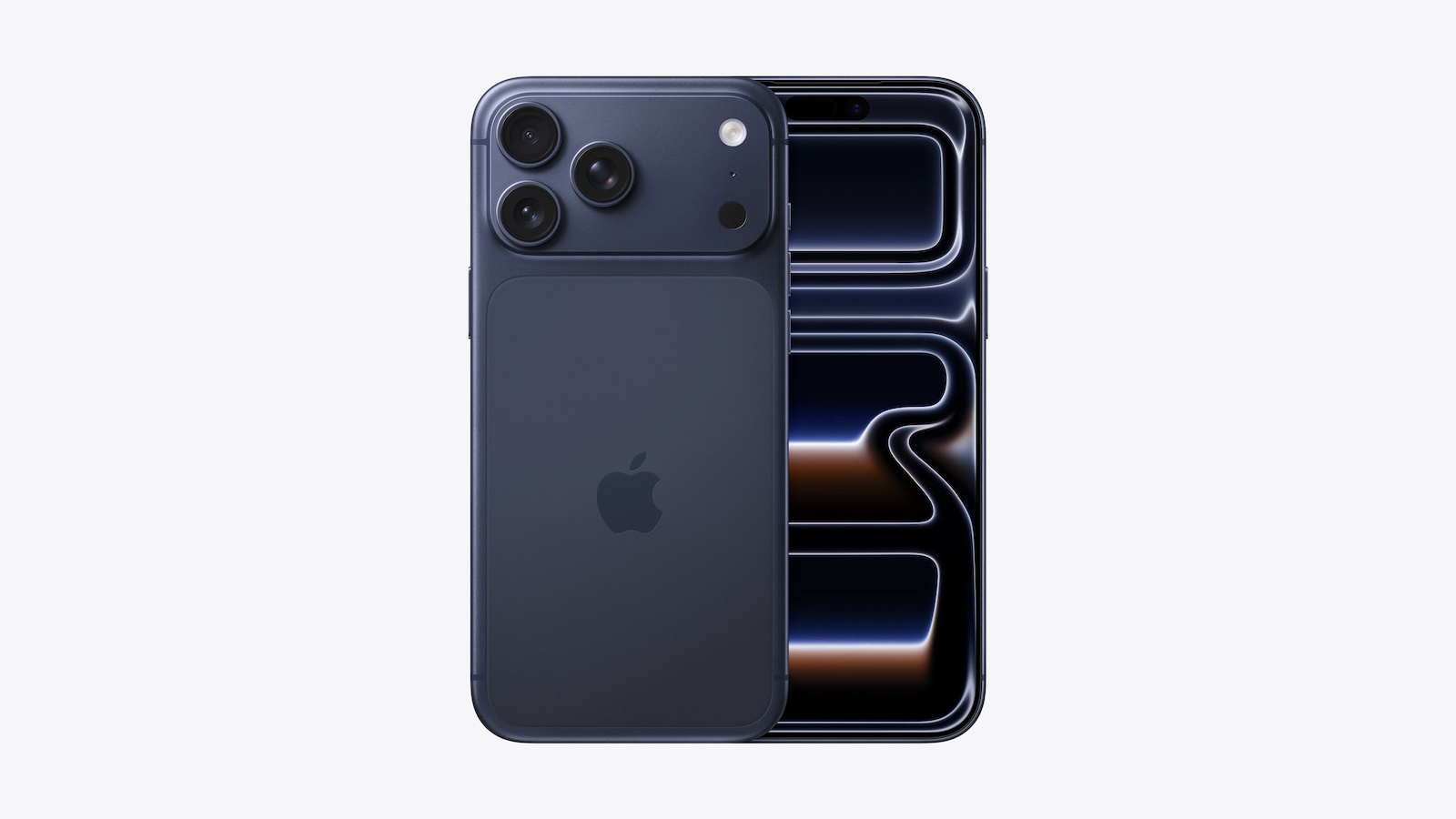
Instead of four weeks, Apple will now reportedly keep its display panels in stock for six weeks and order correspondingly larger quantities. For a company that for decades treated any inventory as an avoidable cost factor, this would be a remarkable change of course. The reason lies not with the displays themselves.
Memory prices have been driving Apple forward for months, and previous countermeasures have had little effect: neither additional suppliers nor the usual negotiating pressure have managed to lower prices. Now, the Korean tech news service ETNews, citing industry sources, reports that Apple is resorting to a different lever – sheer volume. The report is not entirely reliable: it relies on unnamed sources in the supply chain, who, based on experience, are more accurate regarding timing and quantities than explanations.
Key Facts at a Glance
- Apple is said to have extended the storage period for display panels from four to six weeks since the second quarter.
- At the same time, order volumes at Samsung Display and LG Display are said to have increased.
- The reasons given are rising raw material prices and price pressure from expensive memory chips.
- However, industry services report falling prices for finished OLED panels for the same period.
- An industry representative expects the longer holding period to remain and to expand further with the launch of the iPhone 18 Pro.
What is supposed to change in the supply chain
Storage time describes how long a component is typically kept in stock before it goes into production. Going from four to six weeks means buying and storing a correspondingly larger number of panels in advance – both of which initially cost money.
The benefit lies elsewhere. Those who order larger quantities at once get better unit prices, and those who buy early secure today's price level for later. That's precisely what the change is intended to achieve: not stockpiling for its own sake, but cost certainty.
The two main Korean suppliers are particularly affected. Their delivery volumes are said to have increased noticeably in the second quarter – unusual because spring is traditionally the quiet period before the September start of production. The Chinese manufacturer BOE also supplies iPhone panels, albeit in significantly smaller quantities; it is also bidding for the OLED iPad Air.
Breaking with a principle
What's remarkable isn't so much the number itself, but rather what it deviates from. Apple's supply chain has been considered one of the leanest in the industry for decades, and the man who built it that way will remain at the helm of the company until the end of August: Tim Cook joined Apple in 1998 as Chief Operating Officer and made low inventory levels a fundamental principle. Inventory was considered dead capital that lost value every day.
Six weeks' supply is still a short amount compared to other manufacturers. However, given Apple's own policy, extending it by half is a signal – it means that the fear of rising purchase prices now outweighs the aversion to tied-up capital.
Where the sources contradict each other
The accounts diverge at one point, and this is the most interesting part. ETNews attributes the switch to rising raw material prices, which made price reductions for the panels impossible. However, trade publications from the display industry observe the opposite for the same period: Prices for finished flexible OLED panels have been falling for months, driven down by overcapacity from Chinese manufacturers and weak demand.
Both observations could be true simultaneously. Raw materials and intermediate products could become more expensive, while final panel prices continue to fall due to competition – in which case Apple's stockpiling would be a bet that this gap will soon close. The contradiction cannot be resolved with the available information, and neither side has been confirmed.
Four attempts to break the same price spiral
When placed side by side, this creates the picture of a company that tries out several levers one after the other:
| Time | Measure | Result |
|---|---|---|
| June 2026 | Price increase for Macs, iPads and Vision Pro | implemented, costs partially passed on. |
| July 2026 | Unlocking additional storage providers | without a noticeable price effect |
| August 2026 | Negotiation pressure on suppliers | largely ineffective |
| since Q2 2026 | Stockpiling and larger orders | Effect open |
The price increases for Macs, iPads, and the Vision Pro at the end of June are the only price hikes that customers in this country have already felt in their wallets. iPhone prices have remained unchanged so far.
What this means for prices in autumn
For buyers in German-speaking countries, stockpiling is the relatively good news in a difficult situation. Every euro Apple saves on purchasing doesn't have to be added to the final price – a buffer, not a solution.
We expect this measure to dampen price pressure on the iPhone 18 Pro, but not stop it. Displays only account for a portion of the material costs, and the main cost driver is storage, where Apple has no comparable leverage in inventory: storage capacities for 2027 are already allocated with the major providers. One industry representative anticipates that the extended retention period will remain and will expand even further with the launch of the new Pro models.
Apple's size helps it in the competition. Smaller manufacturers can neither pre-finance six weeks' worth of stock nor negotiate volume discounts of this magnitude – a pattern already emerging in the fragmentation of the smartphone market.
How reliable is the report?
All information comes from unnamed industry sources; neither Apple nor the suppliers involved have commented. Similar reports from the same source have recently proven inaccurate – the narrative of a multi-billion-dollar chip backlog at TSMC is now considered dubious. In any case, the storage duration cannot be verified externally; it will only become apparent indirectly if panel shipments in the third quarter are unusually high. (Image: Apple)
- iPad Air: BOE will supply the OLED display
- iPhone 20: Glass design is not supposed to be scrapped after all
- iPhone 18 Pro: Doubts about the billion-dollar backlog at TSMC