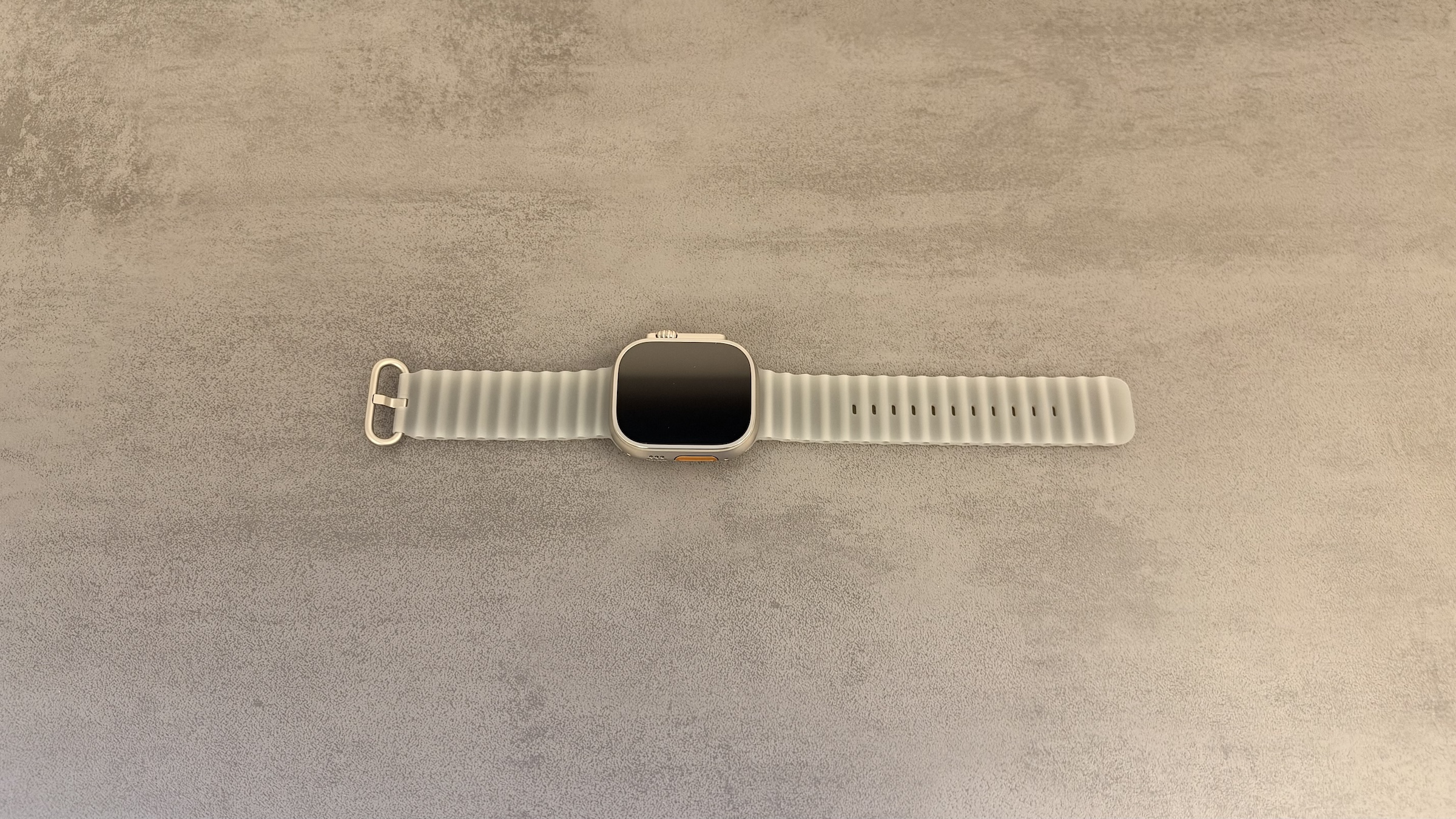
Apple accuses a former engineer of taking secrets related to the Apple Watch's health sensors to Oppo. The Chinese manufacturer sought to have the lawsuit dismissed early. A federal judge in San Jose rejected all three motions.
In August 2025, Apple filed a lawsuit against former engineer Chen Shi and Oppo. Shi worked on sensors for the Apple Watch and joined Oppo in the summer of 2025. Apple accuses him of collecting confidential documents before leaving and then passing them on to his new employer.
On September 30, 2026, Federal Judge Eumi Lee rejected the motions to dismiss the lawsuit. The six-page ruling in case 5:25-cv-07105-EKL decided without an oral hearing on three motions: one by Shi, one by Oppo together with its health chief Zijing Zeng, and one by its US subsidiary InnoPeak Technology.
Key Facts at a Glance
- A US federal court has rejected all requests to dismiss Apple's lawsuit against Chen Shi, Oppo, InnoPeak and Zijing Zeng.
- According to the judge, Apple has identified at least one trade secret with sufficient accuracy, including the technology for the temperature sensor, ECG and optical heart sensors of the Apple Watch.
- Shi's confidentiality agreement with Apple is not invalid as an unlawful non-compete clause following the ruling.
- All defendants must respond to the lawsuit by October 21, 2026; Apple's request for a preliminary injunction is still pending.
What Apple accuses the former engineer of
According to the lawsuit, Shi downloaded 63 documents from a protected folder late at night three days before his departure and transferred them to a USB drive the day before leaving. Prior to this, he allegedly scheduled dozens of one-on-one meetings with members of the Apple Watch technical team to learn about ongoing developments in optical, temperature, and ECG sensors.
Shi allegedly presented the information to hundreds of engineers from Oppo and InnoPeak. This was allegedly arranged by Zijing Zeng, head of Oppo's healthcare division. According to the lawsuit, Zeng announced the presentation as an opportunity to learn how Apple's sensors are developed. In return, the defendants allegedly offered Shi a position with a generous salary.
The defendants deny the allegations. Zeng describes the process as a routine recruitment of an employee.
Why the judge rejected the applications
Shi had argued that Apple's definition of confidential information was so broad that he could no longer work as a health sensor engineer. Under California law, contracts that prevent someone from practicing their profession are void. The judge disagreed: The agreement did not prohibit Shi from working in that field or even at Oppo, but only from using or sharing Apple's confidential information.
Oppo, in turn, denied that Apple was disclosing any specific trade secret. This argument also failed to convince the company. Apple, they argued, was not merely describing general categories, but specific technologies, including hardware and software implementations of the temperature sensor, ECG function, and optical sensors of the Apple Watch, and was naming the files containing some of this information.
| Objection | Presented by | Result |
|---|---|---|
| Dismissal of the contractual claim | Chen Shi | rejected |
| Rejection due to lack of trade secrets | Oppo, InnoPeak, Zijing Zeng | rejected |
| Dismissal of the allegations against Zeng | Zijing Zeng | rejected |
What the decision does not decide
The ruling does not establish that Shi or Oppo actually stole any secrets. At this early stage, the court is only examining whether Apple's allegations are plausible, assuming they are true. Whether the information actually constitutes trade secrets is a question of fact that will only be clarified in further proceedings, the judge writes.
Apple's application for a preliminary injunction, which was heard in March, is also still pending. In it, Apple demands that Oppo identify and protect all employees who came into contact with the information, delete any developments based on it, and have its data systems examined.
The actual decision is still pending
I consider the ruling an important but expected step. The bar for dismissal at this stage is low, and Apple's complaint is unusually detailed: individual files, a specific download time, a documented presentation. More noteworthy is that the judge also dismissed the argument against the confidentiality agreement, even though California law explicitly protects employees' freedom to change jobs. It draws the line where someone takes their former employer's secrets with them.
For Oppo, the injunction is the crucial question. If the judge grants it, the company would have to interfere with its own development even before it's established whether anything was stolen at all. That would be a far more drastic measure than the current ruling.
Should a court be able to force a company to delete developments before theft is proven – or does that go too far? Feel free to disagree in the comments.