This article may contain affiliate links. Learn more on our Partner Program page.
The first Apple TV 4K from 2017 has been on Apple's vintage list since October and will not receive tvOS 27. With the new model featuring the A19 chip, the gap is wider than ever: nine years of development, half the weight, and features the old device simply won't have.
The first-generation Apple TV 4K launched in 2017 and has not been on sale since April 2021. On October 9, Apple classified it as vintage worldwide, as shown in the list of vintage and obsolete products. Four days later came the new Apple TV 4K with A19, which costs 349 euros in Germany and goes on sale on November 13.
For owners of the first generation, this raises a different question than for owners of the predecessor. Anyone with the 3rd generation weighs individual new features – that is covered in the comparison of A19 and A15. Anyone still using the 2017 model has a device that is already falling behind on software. The data is based on Apple's technical specifications of the first generation and of the new model. All articles about the box are collected on the page for the Apple TV 4K.
Key Facts at a Glance
- The first generation has been considered vintage since October 9th and will not receive tvOS 27; it will remain on tvOS 26.
- Siri AI requires at least the 2nd generation; the first generation is excluded.
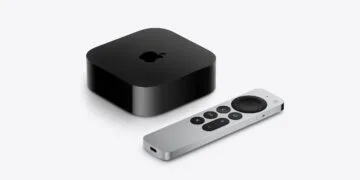
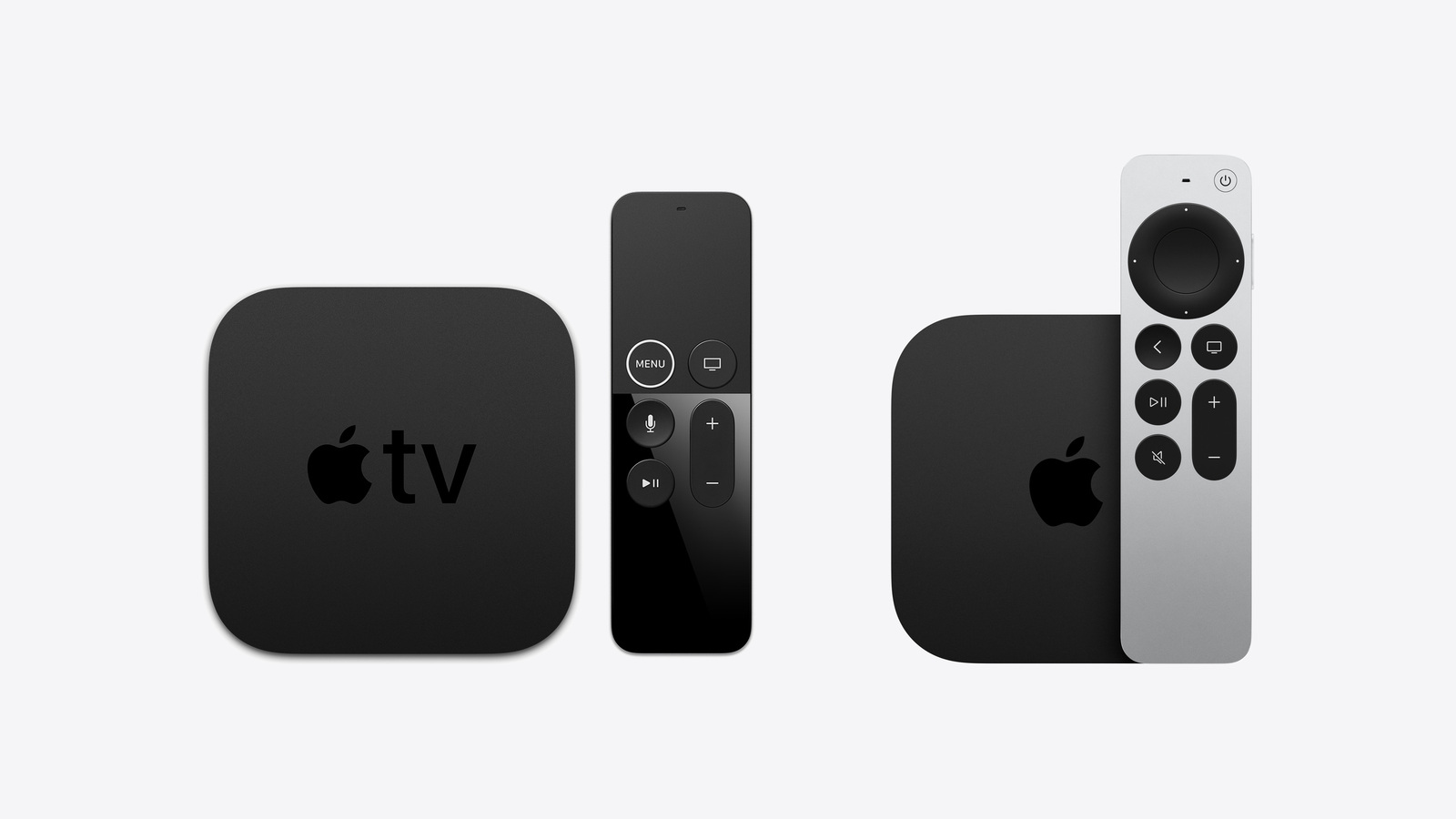
- The new model is smaller, weighs about half as much at 217 grams, and charges the remote control via USB-C instead of Lightning.
- New features compared to 2017 include microphones for Siri, Thread, HDMI 2.1, WLAN 7 and HDR10+.
- Repairs at Apple are only possible as long as spare parts are in stock.
Nine years gap in numbers
| Apple TV 4K (4th generation) | Apple TV 4K (1st generation) | |
|---|---|---|
| Published | 2026 | 2017 |
| Chip | A19 | A10X Fusion |
| Memory | 128 GB | 32 GB or 64 GB |
| Microphones | three, for Siri via voice | none |
| Wi-Fi | WLAN 7 | 802.11ac |
| Bluetooth | 6 | 5.0 |
| Ethernet | Gigabit | Gigabit |
| Thread | Yes | no |
| HDMI | 2.1 | 2.0a |
| video | up to 4K at 60 fps, Dolby Vision, HDR10, HDR10+, HLG, AV1 | up to 4K at 60 fps, Dolby Vision, HDR10 |
| Charging remote control | USB-C | Lightning |
| Mass | 31 × 93 × 93 mm | 35 × 98 × 98 mm |
| Weight | 217 g | 425 g |
| Latest tvOS | tvOS 27 | tvOS 26 |
Both devices support Dolby Vision and Dolby Atmos. Therefore, those who only stream in 4K and are satisfied with their current picture quality won't notice the difference at first glance.
The software is the real difference
With tvOS 27, Apple removed the first generation from the list of supported devices. The device remains on tvOS 26 and will no longer receive any new features. Anything introduced with tvOS 27 and subsequent versions will not be available on the 2017 model.
This also includes Siri AI on Apple TV. Apple specifies the second generation as the minimum model. While Siri AI isn't launching in this country for the time being anyway, the first generation will remain excluded even if that changes.
Vintage means: repairs only done in advance
With the vintage status, Apple and authorized service partners will only repair the first generation as long as spare parts are available. Parts are no longer guaranteed. According to Apple's policy, a product is considered obsolete seven years after its sale ends – if sales ended in April 2021, this would be the case in spring 2028, at which point hardware service will cease entirely.
Apple sells the new 4th generation Siri Remote separately, and according to Apple, it works with all Apple TV 4K models. So, if you only want to replace your old remote with a Lightning connector, you can do so without a new box. The new remote doesn't change anything about the software.
For owners of the first generation, there are many reasons to switch
I find the switch to the first generation much easier to justify than the third. The device no longer receives new features, Siri AI remains permanently excluded, and repairs depend on the remaining stock. Furthermore, there are aspects that are noticeable in everyday use: Siri via voice commands using the microphones, a remote control with USB-C, and Thread as a platform for smart home accessories.
The upgrade is especially worthwhile if you also use the Apple TV for games, smart home devices, or new tvOS features. Those who only stream and are satisfied with the picture and sound quality can continue using the 2017 model as long as the apps run on it – they just won't be getting any new ones.
Are you still using your 2017 Apple TV 4K, and is the end of updates your reason for upgrading? Tell us in the comments how you feel.
Frequently Asked Questions: Apple TV 4K (1st Generation)
The first generation has the model number A1842. You can find it under Settings > General > About. It can also be identified by the Siri Remote, which is charged via Lightning.
No. Apple no longer supports the first generation with tvOS 27; it remains on tvOS 26 and receives no new features.
Apple and authorized service partners will only repair the device as long as spare parts are available. There is no warranty on parts. Since October 9, 2026, the first generation has been considered vintage worldwide.
No. Apple specifies the 2nd generation as the minimum model. Furthermore, Siri AI will not be launched on any Apple TV in Germany for the time being.
Yes. According to Apple, the 4th generation Siri Remote works with all Apple TV 4K and Apple TV HD models. Apple sells it separately.
In Germany, the Apple TV 4K with A19 chip costs €349. There is only one model available: 128GB storage, Ethernet, and Thread. It will be available in stores from November 13th.
Yes, as long as the streaming apps run on it. However, no new features will be added, and repairs depend on the availability of spare parts.